
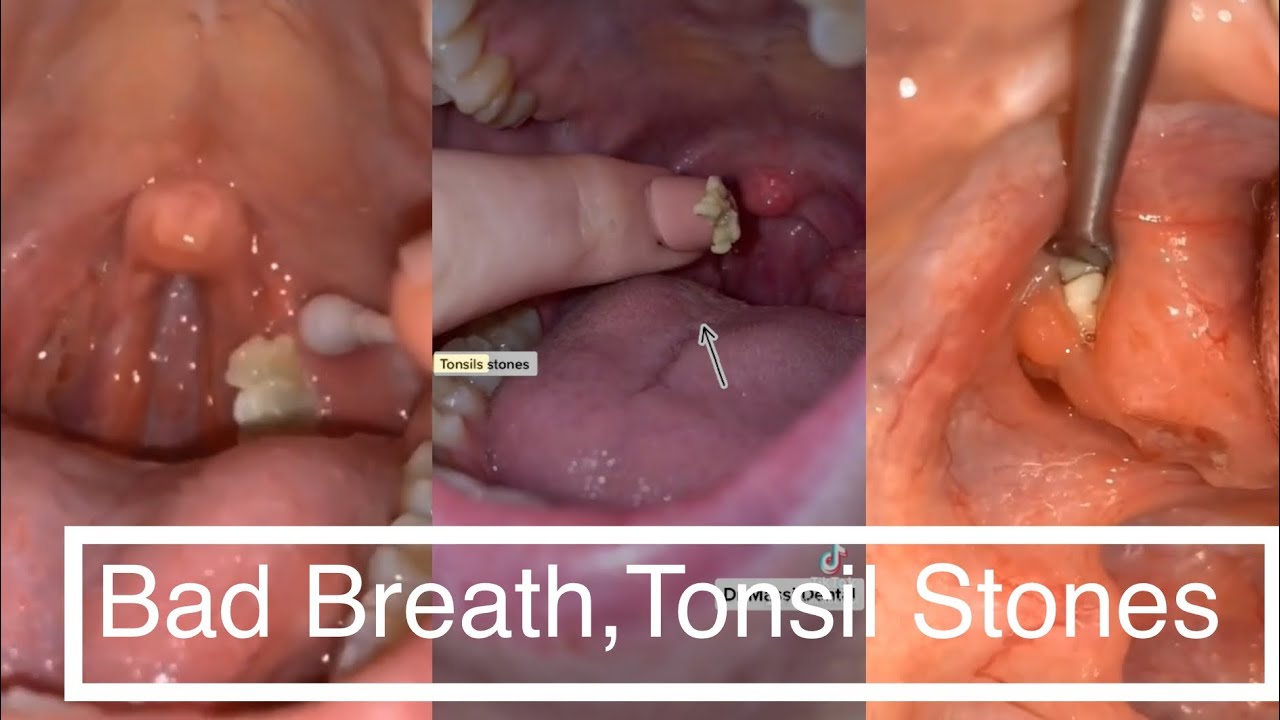
Tonsil stoTonsil stones, also called tonsiloliths, are small, hard lumps that form in the cracks in your tonsils. These are made up of food particles, dead cells, and bacteria that become trapped and hardened over time. These stones are usually white or yellow in color and can vary in size, from small particles to large lumps that you can feel.
These are not dangerous, but they can be uncomfortable and cause some symptoms that you may feel. Most tonsil stones come out on their own, but in some cases, they may need to be removed by a doctor. Good oral hygiene and gargling with salt water can help prevent them from forming.
Why Do Tonsil Stones Smell?
The strong and unpleasant smell of tonsil stones comes from the bacteria and decaying substances trapped inside them. Because they are made up of dead cells, food residues, and mucus, they release compounds, such as sulfur, when broken down, which cause foul odors.
Although these stones are very small, they can still be smelled, especially when talking or breathing through the mouth.
If your breath smells bad and brushing does not provide relief, it could be caused by tonsil stones. Regular gargling, drinking enough water, and cleaning the back of the tongue can help reduce odor and keep the mouth fresh.
What Are The Symptoms Of Tonsil Stones?
Tonsil stones, also called tonsiloliths, are small, hard deposits that form in small pockets (crypts) of your tonsils. Symptoms of tonsil stones are not common to everyone, but when they appear, they are difficult to ignore.
Following are some of the most noticeable symptoms of tonsil stones:
1. Bad breath (halitosis): This is the most common symptom. The stones trap bacteria, causing a foul smell.
2. Sore throat: You may feel itching or burning in the throat, even if you’re not sick.
3. White or yellow spots on the tonsils: These stones can sometimes be seen on the back of the throat.
4. Difficulty swallowing: Large stones can cause discomfort eating or drinking.
5. Feeling something stuck in the throat: like a constant lump that doesn’t go away.
6. Earache: Although not directly connected, the throat and ears share a neural pathway, so pain can spread.
7. Swollen tonsils: In some cases, the tonsils may look red or feel tenderness.
If these symptoms occur frequently or become bothersome, it would be good to see a doctor or ENT specialist. Tonsil stones are common and treatable, especially if detected early.
What Are The Causes Of Tonsil Stones?
Tonsil stones, also called tonsiloliths, form when small pieces of food, dead cells, and mucus get stuck in small layers or pockets of your tonsils.
These stones are usually harmless, but they can cause bad breath, sore throat, or a feeling of something stuck in the throat. These are more common in people who often have tonsillitis or who have large and deep fissures.
Here are some of the causes of tonsil stones that cause the formation of tonsil stones:
1. Poor oral hygiene: Not brushing or rinsing well can cause food and bacteria to accumulate in the mouth.
2. Chronic sinus problems: Mucus flowing into the throat can accumulate in the tonsils.
3. Large or uneven tonsils: More folds or pockets mean more space for debris to get stuck.
4. Frequent throat infections: More particles may become trapped due to persistent inflammation or irritation.
5. Dry mouth: Low saliva makes it harder to wash food and bacteria naturally.
Tonsil stones are usually not serious, but drinking enough water, brushing regularly, and rinsing with salt water can help prevent them from forming. If these become painful or frequent, it is best to talk to a doctor.
Risk Factors For Developing Tonsil Stones
Some factors may increase your chances of developing tonsil stones:
1. Poor oral hygiene promotes bacterial growth and debris accumulation.
2. Chronic tonsillitis: Increases the size and depth of the tonsillar crypt.
3. Larger tonsils: Provide more space for debris to trap.
4. Smoking: contributes to dry mouth and bacterial growth.
5. Diet: A diet rich in dairy products can increase mucus production, leading to more debris.
How Do Doctors Diagnose Tonsil Stones?
If you have bad breath, a sore throat, or a feeling of something stuck in the back of your mouth, you may be wondering what is going on. In many cases, these signs point to a problem called tonsil stones.
Tonsil stones are usually diagnosed as follows:
1. Physical examination: The doctor will look at your mouth gently with the help of a light and tongue-pressing device. In many cases, tonsil stones appear as small white or yellow lumps on or inside the tonsils.
2. Discussion of symptoms: You’ll be asked how you’re feeling, such as bad breath, sore throat, or swallowing signs that help the doctor confirm the cause.
3. Touch or press test: Sometimes, doctors may apply mild pressure to the tonsils to see if the stones come out.
4. Imaging tests (only if necessary): If the stone is hidden deep or causing frequent problems, a doctor may suggest a surgery. X-ray or CT scan to detect them.
What Are The Treatment Options For Tonsil Stones?
Tonsil stones, also called tonsilloliths, are small, hard lumps that form in the back of your throat, in the pockets of your tonsils. Thankfully, there are many easy ways to treat them, depending on their size and the frequency with which they occur frequently.
Treatment options include:
1. Gargling with warm salt water: This can help loosen stones and reduce swelling or discomfort.
2. Manual removal: You can use a cotton swab or your tongue to pull out small stones, but be careful not to hurt your throat.
3. Water flossers: Some people use low-pressure water flossers to gently wash away tonsil pockets.
4. Good oral hygiene: Brushing your teeth and tongue regularly helps prevent food and bacteria from accumulating.
5. Occupational removal: If the stones are large, painful, or frequent, the ENT doctor can safely remove them.
6. Tonsillectomy (surgery): In severe, recurrent cases, your doctor may suggest complete removal of the tonsils.
If you are unsure or uncomfortable removing them yourself, it is always best to visit a doctor.
Which Medicines Helps In Tonsil Stones?
There isn’t just one medicine made for tonsil stones, but some treatments can help reduce symptoms and reduce the frequency of their recurrence. Medicines mainly help control the factors that cause stones, such as infection, inflammation, or bad breath.
Adjunctive medications and treatments include:
1. Antibiotics: If your tonsil stone is associated with a bacterial infection or tonsillitis, your doctor may prescribe antibiotics to correct it.
2. Anti-inflammatory medicine: Over-the-counter options like ibuprofen may reduce inflammation or pain in the throat.
3. Nasal sprays or allergy medications: These measures may be helpful if the nose is causing stones to drip.
4. Mouthwashes containing oxygenating agents: These special rinses help destroy bacteria and reduce odors.
5. Zinc-based lozenges or sprays: Zinc helps fight bad odor-causing bacteria and may reduce the risk of stones.
6. Probiotics: Taking probiotics regularly can help balance the bacteria in your mouth and throat.
Always talk to a doctor before starting any medicine. If your tonsil stones keep coming back despite using these options, it’s probably time to find another treatment or see an ENT specialist for a long-term solution.
When Should You See A Doctor For Tonsil Stones?
Tonsil stones are usually small and harmless and often heal on their own or with home remedies. But sometimes, these can cause a lot of trouble and may require medical attention. It is important to know when to stop their treatment at home and seek a doctor’s help.
You should see a doctor if:
1. You get tonsil stones again and again.
2. They’re getting bigger or happening more often.
3. Your breath constantly smells bad and doesn’t go away
4. You feel pain or pressure in your throat.
5. You’re having trouble swallowing or breathing properly.
6. You see swelling or white spots that don’t heal.
7. You have frequent sore throats or ear pain
8. Home remedies (such as gargling with salt water) aren’t working.
A doctor can safely remove stones, suggest treatments, or even discuss options for tonsillectomy if they become a serious issue.
What Is The Recovery Process After Treatment With Tonsil Stones?
Recovery from tonsil stone treatment is usually quick, especially if the stone has been gently removed or dissolved with home remedies. If you have had a tonsillectomy (surgery), it takes a little longer to recover.
Recovery Tips:
1. Relax your voice for a few days.
2. Drink plenty of water to stay hydrated.
3. Avoid spicy or crunchy foods.
4. Take prescription medication if pain occurs.
Depending on the type of treatment, most people feel better in a week or two.
How To Prevent Tonsil Stones?
Tonsil stones are formed when food, bacteria, or dead cells get trapped in your tonsils. Keeping your mouth clean and healthy is the best way to prevent them.
Prevention Tips:
1. Brush your teeth and tongue twice a day.
2. Use mouthwash to kill bacteria.
3. Drink enough water to avoid dry mouth.
4. Gargle with salt water regularly
5. Avoid smoking or dry-mouth products
6. If stones keep recurring, talk to a doctor for further treatment.
Complications Related To Tonsil Stones
Although often benign, untreated tonsil stones can lead to complications:
1. Chronic tonsillitis: persistent inflammation and infection in the tonsils.
2. Obstructive sleep apnea: Large stones can block the airways during sleep.
3. Excess formation: In severe cases, abscesses can form around the tonsils.
4. Systemic infection: Although rare, tonsil stones can spread bacteria, leading to systemic infection.
Our Experience In The Treatment Of Tonsil Stones
If you’re struggling with bad breath or a strange sensation in the back of your throat, don’t worry. Tonsil stones may seem worrisome, but they are actually quite common and easy to treat. WT
nes, also called tonsiloliths, are small, hard lumps that form in the cracks in your tonsils. These are made up of food particles, dead cells, and bacteria that become trapped and hardened over time. These stones are usually white or yellow in color and can vary in size, from small particles to large lumps that you can feel.
These are not dangerous, but they can be uncomfortable and cause some symptoms that you may feel. Most tonsil stones come out on their own, but in some cases, they may need to be removed by a doctor. Good oral hygiene and gargling with salt water can help prevent them from forming.
Why Do Tonsil Stones Smell?
The strong and unpleasant smell of tonsil stones comes from the bacteria and decaying substances trapped inside them. Because they are made up of dead cells, food residues, and mucus, they release compounds, such as sulfur, when broken down, which cause foul odors.
Although these stones are very small, they can still be smelled, especially when talking or breathing through the mouth.
If your breath smells bad and brushing does not provide relief, it could be caused by tonsil stones. Regular gargling, drinking enough water, and cleaning the back of the tongue can help reduce odor and keep the mouth fresh.
What Are The Symptoms Of Tonsil Stones?
Tonsil stones, also called tonsiloliths, are small, hard deposits that form in small pockets (crypts) of your tonsils. Symptoms of tonsil stones are not common to everyone, but when they appear, they are difficult to ignore.
Following are some of the most noticeable symptoms of tonsil stones:
1. Bad breath (halitosis): This is the most common symptom. The stones trap bacteria, causing a foul smell.
2. Sore throat: You may feel itching or burning in the throat, even if you’re not sick.
3. White or yellow spots on the tonsils: These stones can sometimes be seen on the back of the throat.
4. Difficulty swallowing: Large stones can cause discomfort eating or drinking.
5. Feeling something stuck in the throat: like a constant lump that doesn’t go away.
6. Earache: Although not directly connected, the throat and ears share a neural pathway, so pain can spread.
7. Swollen tonsils: In some cases, the tonsils may look red or feel tenderness.
If these symptoms occur frequently or become bothersome, it would be good to see a doctor or ENT specialist. Tonsil stones are common and treatable, especially if detected early.
What Are The Causes Of Tonsil Stones?
Tonsil stones, also called tonsiloliths, form when small pieces of food, dead cells, and mucus get stuck in small layers or pockets of your tonsils.
These stones are usually harmless, but they can cause bad breath, sore throat, or a feeling of something stuck in the throat. These are more common in people who often have tonsillitis or who have large and deep fissures.
Here are some of the causes of tonsil stones that cause the formation of tonsil stones:
1. Poor oral hygiene: Not brushing or rinsing well can cause food and bacteria to accumulate in the mouth.
2. Chronic sinus problems: Mucus flowing into the throat can accumulate in the tonsils.
3. Large or uneven tonsils: More folds or pockets mean more space for debris to get stuck.
4. Frequent throat infections: More particles may become trapped due to persistent inflammation or irritation.
5. Dry mouth: Low saliva makes it harder to wash food and bacteria naturally.
Tonsil stones are usually not serious, but drinking enough water, brushing regularly, and rinsing with salt water can help prevent them from forming. If these become painful or frequent, it is best to talk to a doctor.
Risk Factors For Developing Tonsil Stones
Some factors may increase your chances of developing tonsil stones:
1. Poor oral hygiene promotes bacterial growth and debris accumulation.
2. Chronic tonsillitis: Increases the size and depth of the tonsillar crypt.
3. Larger tonsils: Provide more space for debris to trap.
4. Smoking: contributes to dry mouth and bacterial growth.
5. Diet: A diet rich in dairy products can increase mucus production, leading to more debris.
How Do Doctors Diagnose Tonsil Stones?
If you have bad breath, a sore throat, or a feeling of something stuck in the back of your mouth, you may be wondering what is going on. In many cases, these signs point to a problem called tonsil stones.
Tonsil stones are usually diagnosed as follows:
1. Physical examination: The doctor will look at your mouth gently with the help of a light and tongue-pressing device. In many cases, tonsil stones appear as small white or yellow lumps on or inside the tonsils.
2. Discussion of symptoms: You’ll be asked how you’re feeling, such as bad breath, sore throat, or swallowing signs that help the doctor confirm the cause.
3. Touch or press test: Sometimes, doctors may apply mild pressure to the tonsils to see if the stones come out.
4. Imaging tests (only if necessary): If the stone is hidden deep or causing frequent problems, a doctor may suggest a surgery. X-ray or CT scan to detect them.
What Are The Treatment Options For Tonsil Stones?
Tonsil stones, also called tonsilloliths, are small, hard lumps that form in the back of your throat, in the pockets of your tonsils. Thankfully, there are many easy ways to treat them, depending on their size and the frequency with which they occur frequently.
Treatment options include:
1. Gargling with warm salt water: This can help loosen stones and reduce swelling or discomfort.
2. Manual removal: You can use a cotton swab or your tongue to pull out small stones, but be careful not to hurt your throat.
3. Water flossers: Some people use low-pressure water flossers to gently wash away tonsil pockets.
4. Good oral hygiene: Brushing your teeth and tongue regularly helps prevent food and bacteria from accumulating.
5. Occupational removal: If the stones are large, painful, or frequent, the ENT doctor can safely remove them.
6. Tonsillectomy (surgery): In severe, recurrent cases, your doctor may suggest complete removal of the tonsils.
If you are unsure or uncomfortable removing them yourself, it is always best to visit a doctor.
Which Medicine Helps In Tonsil Stones?
There isn’t just one medicine made for tonsil stones, but some treatments can help reduce symptoms and reduce the frequency of their recurrence. Medicines mainly help control the factors that cause stones, such as infection, inflammation, or bad breath.
Adjunctive medications and treatments include:
1. Antibiotics: If your tonsil stone is associated with a bacterial infection or tonsillitis, your doctor may prescribe antibiotics to correct it.
2. Anti-inflammatory medicine: Over-the-counter options like ibuprofen may reduce inflammation or pain in the throat.
3. Nasal sprays or allergy medications: These measures may be helpful if the nose is causing stones to drip.
4. Mouthwashes containing oxygenating agents: These special rinses help destroy bacteria and reduce odors.
5. Zinc-based lozenges or sprays: Zinc helps fight bad odor-causing bacteria and may reduce the risk of stones.
6. Probiotics: Taking probiotics regularly can help balance the bacteria in your mouth and throat.
Always talk to a doctor before starting any medicine. If your tonsil stones keep coming back despite using these options, it’s probably time to find another treatment or see an ENT specialist for a long-term solution.
When Should You See A Doctor For Tonsil Stones?
Tonsil stones are usually small and harmless and often heal on their own or with home remedies. But sometimes, these can cause a lot of trouble and may require medical attention. It is important to know when to stop their treatment at home and seek a doctor’s help.
You should see a doctor if:
1. You get tonsil stones again and again.
2. They’re getting bigger or happening more often.
3. Your breath constantly smells bad and doesn’t go away
4. You feel pain or pressure in your throat.
5. You’re having trouble swallowing or breathing properly.
6. You see swelling or white spots that don’t heal.
7. You have frequent sore throats or ear pain
8. Home remedies (such as gargling with salt water) aren’t working.
A doctor can safely remove stones, suggest treatments, or even discuss options for tonsillectomy if they become a serious issue.
What Is The Recovery Process After Treatment With Tonsil Stones?
Recovery from tonsil stone treatment is usually quick, especially if the stone has been gently removed or dissolved with home remedies. If you have had a tonsillectomy (surgery), it takes a little longer to recover.
Recovery Tips:
1. Relax your voice for a few days.
2. Drink plenty of water to stay hydrated.
3. Avoid spicy or crunchy foods.
4. Take prescription medication if pain occurs.
Depending on the type of treatment, most people feel better in a week or two.
How To Prevent Tonsil Stones?
Tonsil stones are formed when food, bacteria, or dead cells get trapped in your tonsils. Keeping your mouth clean and healthy is the best way to prevent them.
Prevention Tips:
1. Brush your teeth and tongue twice a day.
2. Use mouthwash to kill bacteria.
3. Drink enough water to avoid dry mouth.
4. Gargle with salt water regularly
5. Avoid smoking or dry-mouth products
6. If stones keep recurring, talk to a doctor for further treatment.
Complications Related To Tonsil Stones
Although often benign, untreated tonsil stones can lead to complications:
1. Chronic tonsillitis: persistent inflammation and infection in the tonsils.
2. Obstructive sleep apnea: Large stones can block the airways during sleep.
3. Excess formation: In severe cases, abscesses can form around the tonsils.
4. Systemic infection: Although rare, tonsil stones can spread bacteria, leading to systemic infection.
Our Experience In The Treatment Of Tonsil Stones
If you’re struggling with bad breath or a strange sensation in the back of your throat, don’t worry. Tonsil stones may seem worrisome, but they are actually quite common and easy to treat.
Disclaimer
This content, including advice, is for general informational awareness purposes only. It does not substitute for qualified medical advice in any way. Always consult a healthcare professional or your doctor for more information.
Read Also:
- How Does Blue Light Coming Out Of The Screen Affect The Eyes
- How Much Harm Does Screen Blue Light Cause To Your Eyes? Know From The Doctor
- Blue Light And Its Effects
- Excessive Screen Time Can Be Responsible For Increasing The Number Of Glasses. Know Its Risks From An Ophthalmologist
- Can Seeing Too Many Screens Cause Glasses To Appear On The Eyes? Learn From Experts
- The Digital Age And Excessive Screen Time: Effects On Health
- If You Spend Hours On Mobile And Laptop, Then Know Its Effects: Not Only The Eyes But Also The Skin Gets Harmed
- Careful! Drinking Too Much Cold Drink Can Be Dangerous; It Has A Bad Effect On These Organs
- Do You Also Drink Cold Drinks To Cool The Body? This Habit May Become Fatal
- Drink These 7 Natural Drinks Instead Of Coffee For Better Energy
- Are You Keeping These Types Of Food In Plastic Boxes? Change Your Habits Immediately; Otherwise, Your Health May Gradually Get Dangerous Effects
- The Hidden Truth Behind Your Soft Drink: Revealing The Dangerous Things Present In Soda
- Big Benefits Of Drinking Water
- Importance Of Water
- Advantages And Disadvantages Of Drinking Hot Water
- Neem Water Benefits: Drink Neem Water To Boost Immunity; There Is A Surefire Cure For Many Diseases Hidden In It
- Want To Prevent Cancer? Eat Turmeric Regularly—It Helpful
- Drinking Lots Of Water Has Amazing Benefits You Might Not Know About