

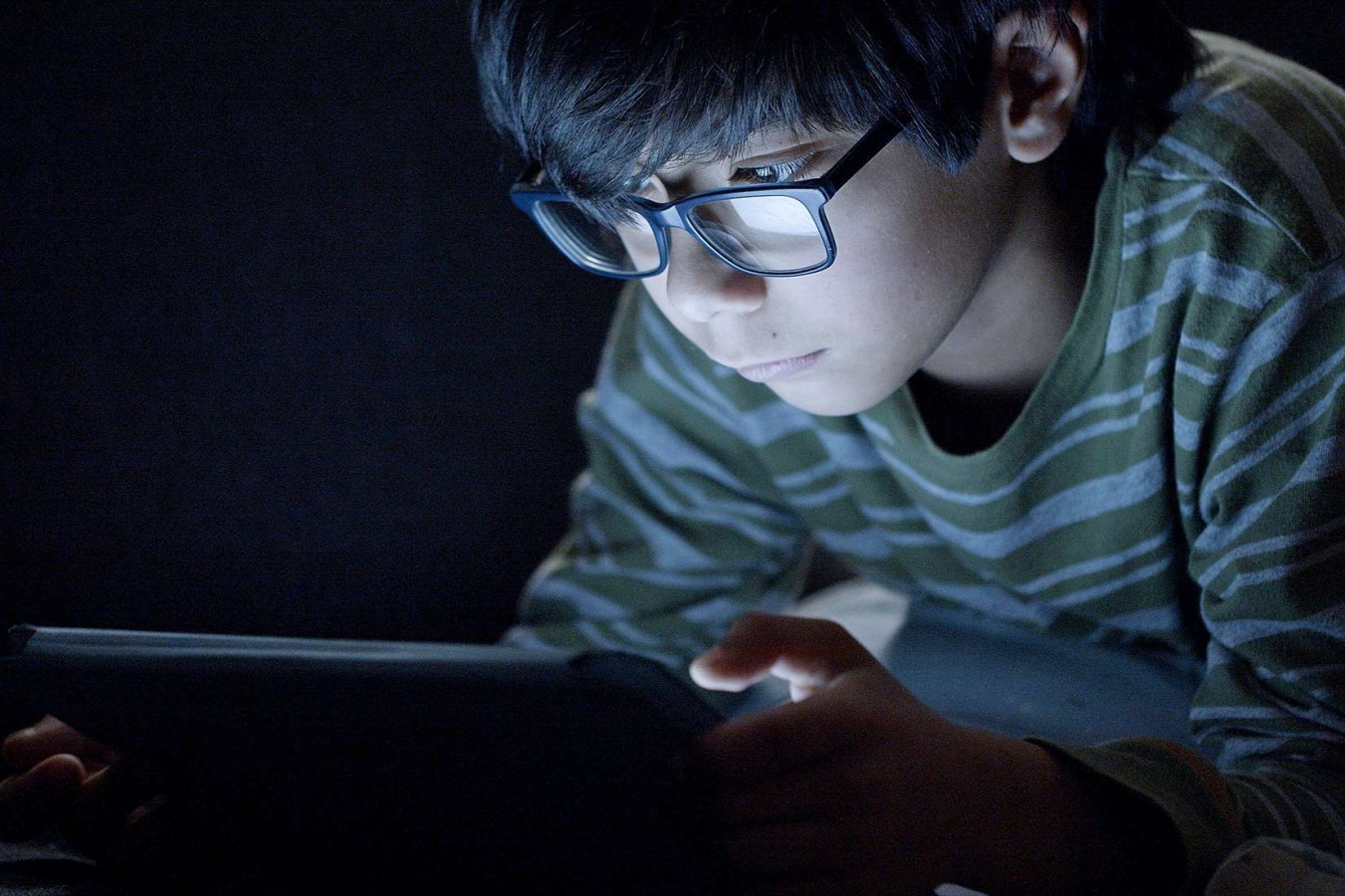
In the modern age of technology, screen time has become a big part of our lives. We often see screens everywhere from phones to computers. Technology has given us many good things, but excessive use of screens can harm our body and mind.
Technology is now easier to use, so people are using screens more, and we find ourselves constantly connected to the virtual world. This overuse has raised concerns about its potential consequences for physical and mental health.
Definition Of Screen Time
Screen time is the period of time spent with the screen, including devices such as smartphones, tablets, computers, televisions, and gaming consoles. This includes activities like social media surfing, watching videos, gaming, and working on computers.
The Importance Of Addressing Screen Time
It is important to recognize and address the impact of excessive screen time to maintain a healthy lifestyle. By understanding the potential risks involved, individuals can make informed decisions regarding their screen use and implement the necessary measures to minimize any negative effects.
Physical Health Effects
1. Sedentary lifestyle: The biggest consequence of spending too much time in front of a screen is a sedentary lifestyle. Sitting in front of the screen for a long time reduces physical activity, which has a bad effect on your health. Heart health increases the risk of obesity and contributes to the development of long-term diseases such as diabetes and heart disease.
2. Research on obesity has consistently shown a strong correlation between screen time and obesity, especially in children and adolescents. Spending too much time in front of the screen often reduces the chances of making wrong diet choices, eating too many snacks, and engaging in physical activities.
3. Vision issues: Prolonged staring at screens can cause eye strain, dryness, and swelling. Additionally, blue light from screens, especially at night, can alter sleep patterns and cause prolonged vision difficulties.
4. Posture and musculoskeletal problems: Maintaining proper posture while using screens is often overlooked, leading to musculoskeletal problems such as neck pain, back pain, and recurrent stress injuries. Poor ergonomics and sitting for long periods of time cause these problems.
Mental Health Effects
1. Increased risk of depression and anxiety: Studies have shown a correlation between excessive screen time and increased anxiety. Symptoms and anxiety of depression. Excessive social media use, online comparisons, cyberbullying, and frequent exposure to negative news can have a significant impact on mental health.
2. Effects on sleep: The light emitted from screens, called blue light, reduces the production of a hormone called melatonin in our bodies. Melatonin is like a guide to our sleep. But too much screen time, especially before bed, can spoil our sleep routine. This can make it difficult to sleep and make us feel tired.
3. Decreased social interaction: Spending too much time in front of a screen often leads to a decrease in face-to-face social interaction. Spending more time on screen means spending less time with friends and family, which can result in feelings of loneliness, isolation, and lack of connection.
4. Excessive use of cognitive development screens can negatively impact cognitive development, especially in children. Limited participation in problem-solving activities, decreased attention span, and decreased analytical thinking abilities are some of the adverse effects.
5. FOMO and comparison culture: The fear of being left out of constant contact on social media platforms (FOMO) increases and promotes comparison culture. Constantly comparing your life to carefully chosen online personalities can lead to feelings of inadequacy, low self-esteem, and decreased overall well-being.
Strategies For Screen Time Management
To maintain a healthy balance and reduce the harmful effects of excessive screen time, it is necessary to implement effective strategies.
1. Setting limits and boundaries: It is important to set clear guidelines for screen use. Setting daily deadlines, setting screen-free zones or periods, and staying off screens before bed can help control screen use and reduce its negative effects.
2. Boosting physical activity: Boosting physical activity not only reduces screen time but also contributes to overall health. Encouraging participation in regular exercise, outdoor sports, and team sports can help reduce the passive effects caused by excessive screen time.
3. Promoting alternative hobbies: Encouraging individuals, especially children, to explore alternative hobbies can take their attention off the screen. Reading, painting, playing musical instruments, or engaging in creative activities provides a more healthy and satisfying use of time.
4. Importance of digital detox: Periodic digital detox can be beneficial for mental and physical health. Emotionally good: Taking a break from screens, engaging in mindfulness practice, spending time in nature, and focusing on real-life relationships are essential to maintaining a healthy balance.
Conclusion
While screen time has become an integral part of modern life, it is important to manage its impact on physical and mental health. By understanding the risks associated with overuse, individuals can implement strategies to strike a balance between technology and well-being. Prioritizing physical activity, promoting real-life relationships, and maintaining healthy screen boundaries is essential to a healthy and fulfilling lifestyle.
FAQs
1. How much time is considered excessive to spend on screen?
Excessive time spent on screen can vary depending on factors such as age and activities. Generally, it is recommended for children and adolescents to keep screen time no longer than 2 hours a day for entertainment.
2. Can screen time affect sleep patterns?
Yes, spending too much time on screen, especially at night, can spoil sleep patterns. Blue light from the screen suppresses the production of melatonin, making it difficult to sleep and affecting sleep quality.
3. Does screen time affect children’s cognitive development?
Research shows that spending too much time on screen can hinder children’s cognitive development. This can reduce their involvement in problem-solving activities and reduce attention span.
4. How to limit a child’s screen time?
Setting clear guidelines and deadlines, encouraging alternative hobbies, and participating in physical activities together with family are effective strategies for managing children’s screen time.
5. Can screen time affect mental health?
Yes, excessive screen time is associated with an increase in symptoms of depression and anxiety, especially due to factors such as social media use, online comparisons, and cyber bullying.
6. Can spending too much time on screen cause eye problems?
Prolonged use of the screen can cause eye strain, causing symptoms such as dry eyes, headaches, and blurred vision. Taking breaks and following the 20-20-20 rule (seeing something 20 feet away for 20 seconds every 20 minutes) can help alleviate these problems.
Disclaimer
This content, including advice, is for general informational awareness purposes only. It does not substitute for qualified medical advice in any way. Always consult a healthcare professional or your doctor for more information.
Read Also:
- If You Spend Hours On Mobile And Laptop, Then Know Its Effects: Not Only The Eyes But Also The Skin Gets Harmed
- Careful! Drinking Too Much Cold Drink Can Be Dangerous; It Has A Bad Effect On These Organs
- Do You Also Drink Cold Drinks To Cool The Body? This Habit May Become Fatal
- Drink These 7 Natural Drinks Instead Of Coffee For Better Energy
- Are You Keeping These Types Of Food In Plastic Boxes? Change Your Habits Immediately; Otherwise, Your Health May Gradually Get Dangerous Effects
- The Hidden Truth Behind Your Soft Drink: Revealing The Dangerous Things Present In Soda
- Big Benefits Of Drinking Water
- Importance Of Water
- Advantages And Disadvantages Of Drinking Hot Water
- Neem Water Benefits: Drink Neem Water To Boost Immunity; There Is A Surefire Cure For Many Diseases Hidden In It
- Want To Prevent Cancer? Eat Turmeric Regularly—It Helpful
- Drinking Lots Of Water Has Amazing Benefits You Might Not Know About
- What Is Pain Management
- There Is Constant Pain In The Body; Know The Reason Behind It
- What Are The Causes Of Pain In The Entire Body
- Why Does Body Ache Occur? What Diseases Is It The Cause Of
- What Are The Causes Of Pain In The Entire Body
- These 5 Miracle Benefits Of Eating Grapes Will Startle You: Beneficial For Cancer, Eyesight, Young Skin, And Digestion
- Side Effects Of Not Consuming The Right Amount Of Kiwi Fruit
- Are You Eating These Vegetables And Considering Them Healthy? See How It Can Increase Your Weight
- Benefits And Disadvantages Of Eating Kiwi
- The Benefits Of Eating Kiwi Are Tremendous And Healthy For Immunity, Digestion, And Heart
