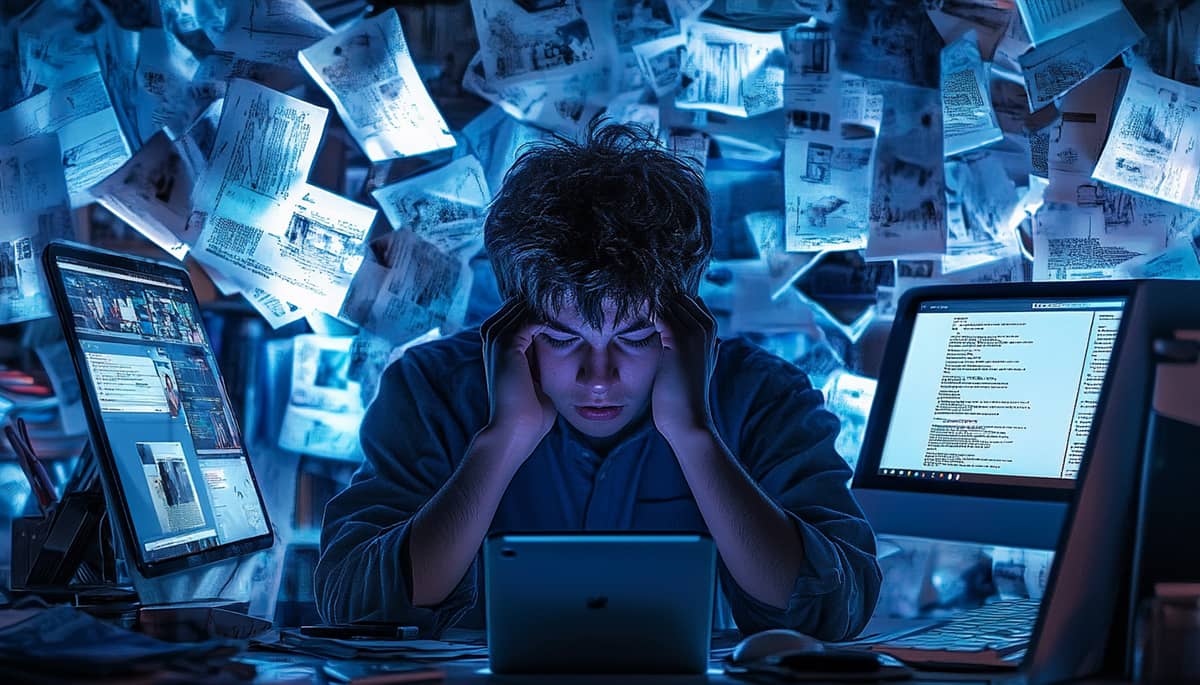


The mental health effects of social media refer to the various psychological and emotional effects—both positive and negative—that result from the use of online social networking platforms. Social media has become a pervasive part of modern life, affecting the way people communicate, understand themselves, and interact with the world. Although it provides opportunities for connection, self-expression, and information sharing, prolonged or excessive use can have significant consequences for mental health.
One of the primary mental health concerns associated with social media is increased anxiety. Constant exposure to selective and idealized images of others’ lives can lead to feelings of inadequacy, self-doubt, and increased social comparison. People may feel that their own achievements or lifestyles are inadequate, leading to increased stress and anxiety about their social status. Similarly, depression has been linked to excessive use of social media, particularly when users experience cyberbullying, exclusion, or online harassment. Negative interactions, harsh comments, or the pressure to maintain a certain online persona can increase feelings of sadness and hopelessness.
Another significant effect is the phenomenon of “fear of missing out” (FOMO), which can increase anxiety and restlessness. Seeing peers engage in events, vacations, or social activities can lead to a persistent feeling of exclusion, leading to compulsive checking of social media feeds. Sleep disruption is also a common mental health issue associated with social media use, as excessive screen time, especially before bedtime, interferes with the natural sleep cycle, which is important for emotional regulation and cognitive function.
In addition, social media can affect attention span and cognitive load, leading to decreased focus, memory challenges, and mental fatigue. For adolescents and young adults, who are highly exposed, these effects are more pronounced, potentially affecting academic performance, social skills, and overall psychological development.
However, it is important to note that social media is not inherently harmful. Positive interactions, supportive communities and access to mental health resources can increase self-esteem, reduce loneliness and promote a sense of belonging. The impact of social media on mental health ultimately depends on the nature of use, individual vulnerability and the balance between online and offline life.
1. Increased anxiety
Social media platforms are designed to keep users engaged through constant notifications, messages, and updates. Although these alerts may seem harmless, they create psychological pressure to respond immediately, which can gradually lead to increasing feelings of stress and anxiety. Users may feel that ignoring notifications may result in missing out on important social interactions or opportunities, which increases anxiety. For many, this results in a state of constant vigilance, where the mind is always scanning for updates. Over time, this increased state can lead to physical symptoms such as a rapid heartbeat, restlessness, and tension headaches. Anxiety caused by social media is not just occasional—it can also be long-term, as users feel compelled to constantly check their feeds, compare themselves with others, and manage online impressions. Being away from these platforms for even a short period of time can trigger feelings of discomfort or dread, highlighting how deeply this anxiety can become integrated into everyday life.
2. Depression
Social media often presents an idealized version of life, where users showcase their happiest moments, accomplishments, and select experiences. Constant exposure to these posts can lead individuals to compare themselves unfavorably to others, and focus on what they lack rather than appreciating their lives. Over time, this constant comparison can foster feelings of inadequacy, sadness, and hopelessness, which are core aspects of depression. The “highlight reel” effect can lead people to believe that their own lives are boring or unsuccessful, leading to negative self-perceptions. In addition, engagement with negative content such as online debates or upsetting news can increase depressive feelings. Even subtle pressures, such as the number of likes, comments, or shares a post receives, can affect mood and self-esteem. In severe cases, this can lead to long-term depressive episodes, especially in vulnerable populations such as adolescents, who are still developing emotional resilience and self-identity.
3. Fear of missing out (FOMO)
FOMO is a common phenomenon generated by social media. When people see their friends, acquaintances, or even strangers enjoying events, vacations, or accomplishments, it can lead to a feeling that they are missing out on exciting experiences. This emotional reaction generates stress, dissatisfaction, and a compulsion to constantly connect to social feeds. The fear of missing out on opportunities can interfere with daily life, work, or school performance, as users prioritize checking for updates over completing necessary tasks. FOMO can also lead to unnecessary spending or risky behavior, as individuals attempt to “catch up” with their peers or emulate experiences seen online. Over time, this persistent anxiety can contribute to feelings of inadequacy, low self-esteem, and social dissatisfaction, as users perceive their lives as less gratifying than the curated content they see online.
4. Loneliness
Despite providing a sense of connection, social media can paradoxically increase feelings of loneliness. Although online interactions provide opportunities for communication, they often lack the depth and warmth of face-to-face interactions. Being constantly online can reduce time spent with family, friends, or community members in the real world, thereby weakening genuine social bonds. Furthermore, observing others’ social interactions without participating can increase feelings of exclusion and isolation. People may begin to seek superficial digital connections in place of meaningful personal relationships, which do not satisfy the emotional need for fellowship. Over time, this pattern reinforces a sense of solitude and emotional disconnection. Studies indicate that prolonged social media use without balanced offline relationships can increase loneliness, especially in individuals who already struggle with social anxiety or self-confidence. Ironically, although technology was intended to connect people, excessive reliance on it can lead to emotional isolation from real-life networks.
5. Sleep disturbances
Late-night scrolling on social media disrupts natural sleep patterns, affecting both sleep quality and duration. The blue light emitted by screens suppresses melatonin production, a hormone needed to regulate the sleep-wake cycle, making it harder to fall asleep. Engaging with stimulating content, such as videos, messages or social debates, before bedtime can cause the brain to become overly active, delaying relaxation and deep sleep. Over time, this can lead to long-term sleep deprivation, fatigue and cognitive impairment. Sleep deprivation also increases mental health problems such as anxiety and depression, creating a vicious circle where poor sleep leads to increased reliance on social media for distraction or coping. In adolescents and young adults, who require prolonged sleep for growth and academic performance, social media-induced disturbances can significantly impact learning, mood stability and overall physical health.
6. Low self-esteem
Constant exposure to idealized content on social media often leads users to compare their lives to carefully crafted images, lifestyles, and accomplishments. When a person perceives themselves as inferior, their self-confidence is eroded, resulting in low self-esteem. Even subtle factors, such as the number of likes or comments on a post, can create feelings of inadequacy, making people overly conscious of their online persona. Low self-esteem caused by social media can affect personal relationships, academic or professional performance, and willingness to try new challenges. For adolescents and young adults who are still forming their identities, these comparisons can have profound, long-term psychological effects. Over time, individuals may develop a persistent negative self-image, resulting in emotional vulnerability, social isolation, and even vulnerability to depression or anxiety disorders.
7. Social isolation
Social media, while connecting users digitally, can contribute to social isolation in the real world. When people rely primarily on online platforms for interaction, they may withdraw from face-to-face activities, community involvement, or family activities. This can reduce opportunities for authentic interactions, shared experiences, and emotional connection. Over time, users may develop an excessive reliance on virtual validation for emotional support, which can undermine real-life social skills and confidence. The social isolation caused by excessive online interaction can also increase vulnerability to mental health problems such as depression, loneliness, and anxiety. Ironically, the tools designed to increase connectivity can paradoxically create emotional distance, as meaningful human relationships require more than likes, comments, or brief messages—they require empathy, physical presence, and nuanced communication that cannot be fully replicated online.
8. Addictive behaviour
Social media platforms are designed with algorithms that encourage prolonged engagement, leading to habitual and sometimes compulsive use. Many users experience a psychological need to check notifications, scroll feeds or refresh content repeatedly, even if it interferes with work, study or personal relationships. This addictive behaviour can disrupt daily routines, reduce productivity, and affect mental and physical health. Over time, users may find it difficult to focus on offline activities or hobbies, as social media’s dopamine-driven reward system reinforces repeated engagement. Addiction can also increase feelings of anxiety, restlessness and irritability when users try to disconnect, creating a dependency cycle that is challenging to break. In extreme cases, this can lead to behavioural addiction, where the platform itself becomes the primary source of gratification, overpowering other life priorities.
9. Attention deficit
Social media content is typically short, fast-paced, and designed to grab attention quickly. Constant exposure to such brief snippets, videos, and scrolling feeds can reduce users’ ability to maintain focus on tasks that require sustained attention. This can affect academic performance, work efficiency, and the ability for deep, reflective thinking. The constant need for instant gratification encourages multitasking and reduces patience, as users become accustomed to the rapid consumption of information. Over time, these habits can impair cognitive control, memory retention, and problem-solving skills. Users may find it harder to read, engage in long-form learning, or meaningful conversation without distraction. In children and teens, whose brains are still developing, prolonged exposure can have long-term consequences on attention span, learning ability, and mental processing speed.
10. Cyberbullying trauma
Social media exposes users to harassment, bullying and aggressive behaviour in digital spaces, which can have serious emotional consequences. Unlike traditional bullying, cyberbullying is pervasive, as harmful content, threats or insults can be shared publicly and remain online indefinitely. Victims may experience humiliation, fear and ongoing stress, which can lead to anxiety, depression and even post-traumatic symptoms. The anonymous nature of online abuse can intensify feelings of helplessness, as perpetrators often feel unaccountable. Children, adolescents and vulnerable adults are particularly at risk, as repeated exposure can impair self-esteem, social functioning and mental health. Even after bullying has stopped, victims may be left with long-term psychological wounds, such as fear of online engagement, social isolation, or trust issues, illustrating how digital interactions can deeply impact emotional health.
11. Negative body image
Social media is flooded with idealized body shapes, fitness routines, and highly edited photos, which can distort users’ perception of their own bodies. Constant exposure to these unrealistic standards often causes a person to focus excessively on perceived flaws, leading to dissatisfaction and self-consciousness. For teens and young adults, whose self-image is still forming, this can have a profound psychological impact, contributing to eating disorders, anxiety, and depression. Even subtle comparisons, such as noticing a peer’s fitness progress or beauty routine, can make users feel inadequate. The prevalence of filters, photo editing apps, and influencer culture exacerbates this problem, as the images presented rarely reflect reality. Over time, negative body image affects not only mental health, but also social confidence, willingness to participate in activities, and overall well-being, creating a perpetual cycle of self-criticism and low self-esteem.
12. Jealousy
Social media enables users to observe the successes, vacations or material possessions of friends, family or acquaintances, often leading to feelings of envy and jealousy. These feelings arise because individuals often compare their lives to others’ curated, positive snapshots rather than considering the full reality behind them. Jealousy on social media can lead to resentment, irritability and strained relationships, as users feel left out or inferior. Over time, constant exposure to peers’ achievements can lead to feelings of inadequacy, low self-esteem and social dissatisfaction. This emotional response is intensified by platforms that measure attention through likes, comments and shares, making comparisons even more tangible. In some cases, jealousy can motivate positive self-improvement, but in most cases, it leads to mental distress, lower life satisfaction and increased vulnerability to anxiety and depression.
13. Emotional exhaustion
Being constantly engaged on social media can lead to emotional exhaustion, a state of mental and emotional fatigue caused by prolonged stress and over-stimulation. Scrolling through endless feeds, participating in debates, responding to messages, and processing a variety of emotional content demands constant cognitive and emotional effort. Over time, this constant engagement depletes mental energy, leaving users feeling tired, irritable, and unmotivated. Emotional exhaustion reduces resilience, making it harder to cope with everyday stressors, and can also spill over into offline life, affecting personal relationships and work performance. The pressure to maintain a digital persona and respond to social expectations further exacerbates this fatigue. For many people, emotional exhaustion is subtle but builds up over months or years, ultimately affecting overall mental health and increasing vulnerability to burnout, sleep disturbances, and anxiety and depression.
14. Reduced Productivity
Social media use often interrupts work, studies, or essential tasks, leading to reduced productivity. Notifications, messages, and endless scrolling can distract individuals from focused activities, leading to delays and reduced output. Multitasking between social media and work further fragments attention, making it difficult to efficiently complete tasks or retain information. For students, this can result in lower academic performance, missed deadlines, and reduced learning. In a professional environment, prolonged exposure to social media can lead to reduced work efficiency, delayed project completion, and even hamper career growth. Apart from immediate productivity loss, habitual overuse leads to dependency, where users constantly check feeds, wasting valuable time. This cumulative effect affects both personal and professional development, and shows how digital distractions can hinder goal achievement and long-term success.
15. Obsessive checking
Many social media users develop an uncontrollable urge to check for notifications, messages, or updates, a behavior that increases anxiety and disrupts daily life. This compulsion arises from the dopamine-driven feedback mechanisms inherent in social platforms, where likes, comments, and shares act as immediate rewards. Obsessive checking can lead to persistent mental preoccupation, which can interfere with work, studies, sleep, and real-life social interactions. The pressure to respond immediately or stay “up to date” promotes stress and irritability when users cannot access their accounts. Over time, this habit can turn into a behavioral addiction, in which users feel restless or anxious when disconnected. Obsessive checking not only impairs focus and productivity but also reinforces emotional dependence on virtual validation, which reduces self-reliance and resilience in offline situations.
16. Overthinking
Social media often leads users to overanalyze their interactions, posts, and the behavior of others, leading to mental stress and overthinking. Every message, like, or comment may be scrutinized for hidden meaning, approval, or judgment, leading to anxiety and rumination. Over time, this constant mental evaluation consumes cognitive resources, reduces concentration, and impairs decision-making. Individuals may replay online interactions over and over, causing them to worry about their own assumptions, misunderstandings, or missed opportunities for social validation. Overthinking can disrupt sleep, increase stress levels, and worsen conditions such as anxiety or depression. This behavior is particularly harmful for adolescents and vulnerable users, as it fosters insecurity, negative self-perception, and difficulty engaging confidently in real-world relationships. The design of social media, which emphasizes visible feedback and social comparison, directly contributes to this cognitive overload.
17. Comparison Trap
The “comparison trap” occurs when users constantly measure their lives against the highlight reels of others on social media. People post accomplishments, journeys, and select personal successes, setting an unrealistic standard that few are able to meet. Individuals who fall into this trap often experience long-term dissatisfaction, and believe that their own lives are inadequate or unworthy. This comparison can harm mental health, lower self-esteem, increase anxiety, and promote negative thought patterns. Even one’s life accomplishments or joys can feel inadequate in contrast to the seemingly perfect experiences shared online. The comparison trap is reinforced by algorithms that prioritize popular or visually appealing content, ensuring that users are exposed to an endless stream of idealized portrayals. Escaping this cycle requires conscious effort, self-awareness, and a focus on real-life achievements rather than digital approval metrics.
18. Impatience
The instant gratification of social media, through likes, comments, shares and instant feedback, may reduce tolerance for delayed rewards in real life. Users accustomed to rapid validation may have difficulty being patient, and may be frustrated when results or recognition are not immediate. This can affect goal-setting, persistence and long-term planning, as people come to expect quick results in academic, professional or personal pursuits. Impatience also contributes to impulsive decision-making, where choices are driven by immediate gratification rather than careful consideration. In interpersonal relationships, it can lead to misunderstanding and irritability, as social cues or resolutions are slow to emerge. Over time, reliance on instant digital rewards can reduce resilience, persistence and emotional regulation, emphasising the psychological impact of social media on patience and delayed gratification.
19. Reduced empathy
Digital interactions on social media may weaken users’ emotional understanding and ability to empathise with others. Communication via screens often lacks non-verbal cues such as facial expressions, tone of voice and body language, which are crucial for recognising emotions. Over time, frequent exposure to superficial conversations, online debates or insensitive content can lead to a decreased sensitivity to others’ emotions. Users may also become more critical, less compassionate or less willing to help in real-life situations. Studies show that excessive use of social media can erode emotional intelligence, making it difficult to form deep, supportive relationships. This decline in empathy impacts personal, social and professional interactions, highlighting a subtle but important psychological consequence of excessive reliance on digital communication compared to face-to-face interactions.
20. Mood swings
Exposure to provocative, sensational or emotionally charged content on social media can produce unpredictable mood swings. Users may feel upbeat after a positive interaction, but may experience irritability, sadness or anger after criticism, online arguments or upsetting news. The constant flow of information, combined with the pressure to respond or engage, can lead to emotional instability. Teens and young adults are particularly susceptible, as their emotional regulation skills are still developing. Mood fluctuations can affect relationships, productivity and decision-making ability, often resulting in impulsive or reactive behaviour. Over time, constant exposure to emotionally arousing content leads to increased stress, anxiety and decreased mental stability, reinforcing the profound impact of social media on emotional health.
21. Stress from news overload
Social media constantly bombards users with news updates, information and trending topics from around the world. Although it’s important to stay informed, constant exposure to negative or upsetting events—such as natural disasters, conflicts, economic crises, or pandemics—can lead to long-term stress. Users may feel overwhelmed by the sheer volume of information, unsure how to respond, or unable to bring about change. The constant flow of news also blurs the line between personal and global stress, as people absorb tragedies and crises far removed from their immediate lives. This phenomenon, sometimes called “headline stress disorder,” can lead to feelings of anxiety, sleep disturbances, and persistent worry. Over time, news overload can impair mental health, making users more reactive, pessimistic, and emotionally exhausted, highlighting the psychological costs of constant connectivity in the digital age.
22. Decision fatigue
Social media presents users with a wide range of choices about which content to consume and which opinions to express. Endless options, from news stories and videos to online shopping and social interactions, can lead to decision fatigue, a condition in which cognitive resources are exhausted by constant decision-making. This mental exhaustion reduces the ability to make thoughtful, effective choices and increases impulsive behavior. Over time, users may avoid decisions altogether, procrastinate, or make poor decisions. Decision fatigue also affects mood, patience, and stress levels, as individuals struggle to prioritize what’s important amid digital clutter. The design of social media, which encourages rapid consumption of content and constant engagement, exacerbates this problem, leaving users vulnerable to overwhelm, mental burnout, and a decrease in overall productivity.
23. Reinforced negative thinking
Social media algorithms often show content that aligns with a user’s past behaviour and preferences. Although this personalisation can increase engagement, it can inadvertently reinforce negative thinking patterns. For example, users experiencing sadness or anxiety may be shown content that reflects these feelings, such as pessimistic posts, online debates, or disturbing news stories. This continuous feedback loop can increase feelings of hopelessness or depressive thinking, making it difficult to break free from negative mental cycles. Over time, users may perceive the world as more dangerous or hopeless than it is in reality, creating a self-perpetuating pattern of emotional distress. Reinforced negative thinking reduces resilience, decreases optimism, and increases vulnerability to anxiety and depression, highlighting how algorithmic feeds can subtly shape long-term mental health outcomes.
24. Overexposure to violence
Social media frequently exposes users to graphic or violent content, ranging from news reports of conflicts and crimes to violent memes or videos. Regular exposure to such content can desensitize emotional responses, reducing empathy and sensitivity to real-world suffering. Individuals come to view violence as normal or inevitable, altering moral attitudes and emotional responses. This overexposure can also trigger anxiety, hypervigilance, or post-traumatic reactions, especially in younger users or those already vulnerable to stress. The repetitive nature of violent content on the feed intensifies the psychological impact, making it harder to maintain or disengage from emotional balance. Over time, this can also affect social behavior, interpersonal empathy, and even tolerance to conflict, reflecting the subtle but profound impact of digital exposure on emotional and moral development.
25. Disconnection from reality
Spending excessive time on social media can lead a person to prefer virtual experiences over real life. Users may invest more in online interactions, digital identities and virtual communities than in tangible relationships, work or personal development. This displacement can result in a disconnect from reality, where offline experiences seem less rewarding or important. Over time, individuals may neglect personal responsibilities, hobbies or physical health, and become dependent on virtual validation for emotional satisfaction. Disconnection from reality can also impair social skills, reduce resilience in real-world situations and distort perceptions of achievement and success. The streamlined, idealised nature of online life further reinforces this disconnect, creating a cycle where virtual experiences dominate attention and emotional investment at the expense of real, meaningful offline interactions.
26. Social comparison anxiety
Social comparison anxiety occurs when individuals feel inferior due to viewing others’ successes, lifestyles or appearances online. Social media emphasizes curated achievements and idealized portrayals, which can lead users to perceive their own lives as inadequate. This perception generates anxiety, self-doubt, and dissatisfaction with personal accomplishments, appearance, or social status. Even minor differences in lifestyle, relationships, or material possessions can trigger intense psychological reactions. Social comparison anxiety undermines self-confidence, hinders personal growth, and can lead to withdrawal from social or professional opportunities due to inadequacy. Over time, this persistent feeling of inferiority can contribute to long-term stress, depression, or low self-esteem, highlighting how constant comparisons on social media platforms can distort reality and deeply impact emotional health.
27. Pressure to perform
Social media encourages users to maintain a curated digital persona, often emphasizing appearance, achievements, and social recognition. This constant pressure to “perform” online can cause significant stress, as individuals feel compelled to meet social expectations or gain approval through likes, shares, and comments. Users may overthink posts, monitor interactions, or even alter real-life behavior to conform to online standards. The need to maintain an idealized image can be exhausting, emotionally draining, and disruptive to authentic self-expression. Over time, this pressure contributes to burnout, anxiety, and self-criticism, as the online persona often demands more attention and energy than the offline life. Performance stress is particularly pronounced for adolescents, influencers, or those in professional contexts where digital presence impacts social and career opportunities.
28. Validation addiction
Social media platforms operate on reward systems that encourage users to obtain likes, comments, and shares, which provide immediate feedback and emotional reinforcement. Over time, this can turn into validation addiction, where individuals derive self-worth primarily from online approval rather than personal accomplishments or relationships. This dependency can lead to excessive posting, constant checking of information, and heightened emotional reactivity to perceived inadequate recognition. Psychological effects include anxiety, low self-esteem, and mood fluctuations associated with digital feedback. Validation addiction also reinforces a cycle of behavioral dependency, where users feel compelled to repeatedly engage online to maintain emotional stability. This can interfere with real-life priorities, interpersonal relationships, and overall mental health, making external validation a central determinant of emotional well-being.
29. Imposter syndrome
Social media can intensify imposter syndrome, which involves feelings that one’s accomplishments are inadequate compared to others, or that one does not deserve success. Seeing peers’ achievements, chosen lifestyles, or professional accomplishments online can increase self-doubt and the belief that others are more capable or deserving. Users may downplay their accomplishments, attribute success to luck rather than skill, and feel anxious about being “exposed” enough. This perception erodes confidence, reduces motivation, and can impede career or personal development. Imposter syndrome induced by social media is particularly powerful among professionals, students, and creatives, where visibility and recognition are integral. Over time, it can lead to chronic stress, anxiety, and a reluctance to pursue opportunities due to fear of failure or judgment.
30. Increased irritability
Social media interactions, especially exposure to conflict, disagreement, or provocative content online, can increase irritability and emotional reactivity. Arguments, negative feedback, or heated debates in comment sections can lead to frustration and anger, which can spill over into offline life. The constant stimulation and intense emotional swings associated with social media consumption can diminish patience, increase sensitivity to criticism, and impair emotional regulation. For some people, even minor insults or delays in response lead to disproportionate irritation. Constant exposure to such stressors can lead to irritability, mood swings, and strain in personal or professional relationships. Over time, this increased irritability can exacerbate mental health challenges, and reinforce the subtle but pervasive emotional consequences of prolonged social media use.
31. Guilt
Many social media users experience guilt when they fail to engage with content, respond to messages, or participate in online conversations. This feeling often arises from the underlying expectation that constant online engagement is necessary to maintain relationships, show support, or remain socially relevant. Users may blame themselves for not liking, commenting, or replying promptly, even when offline responsibilities interfere with interaction. Over time, this persistent self-blame can lead to stress, anxiety, and feelings of inadequacy. Guilt resulting from engagement on social media is particularly acute for highly conscientious individuals who link social performance to personal worth. Additionally, exposure to posts highlighting events, celebrations, or charitable activities may trigger guilt about a perceived lack of participation or contribution, creating a subtle but long-term emotional burden that impacts overall mental well-being.
32. Depersonalization
Excessive scrolling and constant immersion in online feeds can lead to a sense of depersonalization, where one feels disconnected from one’s thoughts, feelings, or body. Excessive flow of content, and prolonged engagement in virtual interactions, can make real-life experiences seem less tangible or authentic. Users may describe the sensation of “observing life through a screen” rather than fully participating, leading to a sense of unreality or isolation. This phenomenon can interfere with daily functioning, as one may struggle to maintain attention, presence, and emotional grounding in offline life. Over time, depersonalization can contribute to a loss of identity and emotional numbness, emphasizing the psychological cost of prolonged, immersive social media use that blurs the boundary between virtual and real-world experience.
33. Increased OCD
Social media can exacerbate obsessive-compulsive tendencies in susceptible individuals. Repetitive behaviors such as frequently checking notifications, editing posts, or refreshing feeds align with compulsions and reinforce obsessive patterns. Immediate feedback mechanisms—likes, shares, or comments—provide temporary relief, which encourages continued compulsive engagement. Over time, these behaviors can increase anxiety, disrupt routines, and impair productivity. Individuals already suffering from OCD may find that social media increases intrusive thoughts, perfectionism, or ritualistic behaviors, as the platform constantly prompts evaluation of self-image, content visibility, and social approval. This interplay between compulsive tendencies and platform design highlights the risk of worsening mental health symptoms, illustrating how social media can serve as both a trigger and reinforcement for obsessive-compulsive behavior.
34. Concern about privacy
Users often experience concern about the privacy of their personal information on social media. Concerns about data breaches, unauthorized access, or exposure of sensitive content create a persistent sense of vulnerability. Even minor incidents, such as accidental tagging, public visibility of posts, or unclear privacy settings, can lead to anxiety and self-monitoring behavior. This anxiety can lead to compulsive checking of security settings, hesitation to share personal content, or even avoidance of certain interactions, which can impact engagement and self-expression. Prolonged concerns about privacy promote stress, hypervigilance, and a general sense of insecurity online. For some individuals, fear of digital surveillance extends to real-life behavior, as they alter routines or limit activities to maintain control over their online presence, reflecting the widespread impact of social media on emotional well-being.
35. Mental Fatigue
Constantly consuming information on social media overloads the brain, leading to mental fatigue. Users are exposed to endless updates, videos, messages, ads, and notifications that require constant cognitive processing. The rapid consumption of diverse content leaves little opportunity for reflection, consolidation, or rest, putting a strain on attention, memory, and executive functioning. Over time, mental fatigue manifests as decreased concentration, irritability, reduced decision-making ability, and decreased problem-solving ability. Users can feel mentally exhausted even after a short period of scrolling, as the brain struggles to filter meaningful content from trivial content. In extreme cases, prolonged mental fatigue contributes to burnout, anxiety, and emotional imbalances, highlighting how the constant stimulation of social media can affect cognitive abilities and compromise overall psychological resilience.
36. Addiction to trending content
Social media platforms are designed to promote viral trends, challenges, and memes, which can create addictive engagement patterns. Users may feel compelled to stay updated with the latest viral content, participate in trends, or seek validation by mimicking popular posts. This constant pursuit of trending content disrupts focus, distracts from productive tasks, and reinforces compulsive behavior. The fear of missing out on the latest trend further intensifies the desire to constantly be connected. Over time, addiction to trending content can interfere with academic, professional, and personal priorities, as attention is repeatedly diverted to fleeting, superficial online events. It also promotes a reliance on external validation, reinforcing a cycle where self-worth and entertainment are tied to digital popularity.
37. Impaired emotional regulation
Frequent exposure to emotionally charged content on social media—such as disturbing news, online conflicts, or sensationalist posts—may impair the ability to regulate mood. Users may experience heightened emotional reactivity, where minor provocations trigger disproportionate responses. Over time, repeated engagement with negative or polarizing content reduces resilience, making it harder to maintain stable emotions in daily life. Impaired emotional regulation can lead to irritability, anxiety, depressive symptoms, and difficulty managing interpersonal conflicts. Adolescents and young adults are particularly susceptible, as their emotional regulation mechanisms are still developing. Frequent exposure to such stimuli creates a feedback loop where emotional instability encourages further engagement with the content, which reinforces these responses, and increases mental health challenges.
38. Low patience
Social media’s rapid delivery of content, immediate feedback, and instant gratification make users have a lower tolerance for delayed rewards. Individuals accustomed to instant likes, shares, and reactions may become impatient in offline settings, where results often require effort, time, and persistence. This decrease in patience can affect personal relationships, academic performance, professional development, and long-term goal attainment. Users may struggle with sustained attention, frustration tolerance, and persistence when tasks do not provide immediate validation. Over time, low patience promotes impulsivity, impatience in communication, and emotional instability. The design of social media emphasizes rapid consumption and instant reinforcement, which primes users to expect immediate gratification, reshaping cognitive and emotional habits beyond digital engagement.
39. Performance pressure
Many social media users feel obligated to maintain an attractive online persona, creating performance pressure that can generate significant stress. Users often actively attempt to engage in social media to post aesthetically pleasing content, demonstrate accomplishments, and gain recognition. This constant need to perform can lead to self-criticism, anxiety, and fatigue, as online success is measured through likes, shares, and followers rather than internal satisfaction. Teens and influencers are particularly vulnerable, as their identity and self-worth can be closely tied to digital performance. The pressure to maintain engagement or compete in social visibility can impede real-life priorities, emotional well-being, and authentic self-expression. Over time, this stress can contribute to depression, social anxiety, and emotional exhaustion, which emphasize the psychological demands of maintaining a digital image.
40. Cyberstalking anxiety
Users often experience anxiety related to cyberstalking, which includes fear of being monitored or stalked online by individuals with malicious intent. Social media makes personal information, location, and behavior visible, which can increase concerns about harassment, stalking, or exploitation. This anxiety leads users to obsessively monitor their online presence, restrict posting, or avoid interactions for fear of being exposed. Cyberstalking anxiety also contributes to hypervigilance, stress, sleep disturbances, and avoidance of social engagement. Even when actual threats are absent, perceived vulnerability can impact mental health, increasing paranoia, emotional distress, and distrust of digital communications. Over time, this fear undermines confidence and comfort in using social platforms, reflecting the subtle but pervasive psychological impact of perceived online surveillance.
41. Overwhelmed with opinions
Social media exposes users to a constant stream of opinions, debates, and differing viewpoints on nearly every topic. Although the diversity of ideas can be enriching, excessive exposure can overwhelm the brain, leading to mental stress. Users may feel compelled to process every viewpoint, respond to disagreements, or assess the validity of conflicting information. This cognitive overload can reduce the ability to focus, impair decision-making, and increase stress levels. The emotional impact is intensified when debates become heated or polarizing, as one may experience frustration, anger, or helplessness. Over time, being constantly bombarded with opinions can lead to fatigue, irritability, and disengagement from meaningful engagement. The mental exhaustion from navigating diverse viewpoints highlights the subtle psychological burdens of social media’s vast informational landscape.
42. Paranoia
Social media can lead to paranoia, where users develop an extreme fear of judgment, criticism, or surveillance by peers, colleagues, or strangers. Every post, comment, or reaction may be interpreted as a reflection of others’ opinions or scrutiny. Users may worry about being misunderstood, excluded, or negatively evaluated, resulting in hypervigilance and chronic stress. This paranoia can hinder online participation, self-expression, and even offline social interactions, as one anticipates judgment in both areas. Over time, constant worry about how one is viewed can undermine self-confidence, increase social anxiety, and heighten sensitivity to criticism. The pervasive nature of social media, combined with visible metrics such as likes and comments, exacerbate these fears, leading to a constant state of emotional discomfort and self-surveillance.
43. Scrolling addiction
Habitual scrolling on social media can turn into a behavioural addiction, where users feel compelled to constantly browse feeds, watch videos or refresh notifications. This compulsive engagement disrupts mental peace, as the mind becomes tied to digital stimuli for dopamine-driven rewards. Scrolling addiction often leads to neglect of work, studies, personal responsibilities and offline relationships, creating a cycle of dependency that is difficult to break. Users may experience anxiety, restlessness or irritability when attempting to disconnect, as their brain seeks the immediate gratification of new content. Over time, this behaviour promotes emotional fatigue, reduced attention span and decreased productivity, illustrating how the design of social media reinforces repetitive engagement that affects both psychological and functional well-being.
44. Reduced resilience
Excessive exposure to negativity, criticism or upsetting content on social media can gradually reduce users’ resilience, or their ability to cope with stress and adversity. Constant exposure to bad news, online arguments or idealised portrayals of others’ lives can lead to feelings of inadequacy, helplessness or pessimism. This emotional burden reduces adaptive coping mechanisms, making users more reactive to small challenges or setbacks in daily life. Reduced resilience also increases vulnerability to anxiety, depression and emotional burnout, as the brain becomes accustomed to external stressors rather than building inner strength. For adolescents and young adults, prolonged exposure during the formative years can have long-term consequences, affecting problem-solving skills, emotional stability and confidence in dealing with real-world difficulties.
45. Anxiety about content creation
Many social media users experience stress related to content creation, feeling pressure to post regularly, maintain aesthetics or seek validation. This anxiety arises from fear of performing poorly, receiving negative feedback, or being ignored by peers or followers. Users may spend excessive time planning, editing, and monitoring engagement metrics, leading to increased cognitive and emotional stress. This pressure can disrupt daily routines, reduce sleep, and decrease the enjoyment of creative expression, turning a pleasurable activity into a source of stress. Over time, anxiety about content creation can erode confidence, lead to fatigue, and increase reliance on external validation for self-worth, highlighting the psychological costs of social media’s performance-driven culture.
46. Self-identity confusion
Social media often encourages users to craft personas that may conflict with their real-life identities. Presenting an idealized version of oneself online can create tension between who individuals really are and who they appear to be digitally. This conflict can lead to confusion, self-doubt, and insecurity, as users struggle to reconcile their offline and online selves. Adolescents and young adults, who are still developing their sense of identity, are particularly insecure. Over time, this inconsistency can affect self-confidence, decision-making, and social relationships. The pressure to comply or conform to online social norms exacerbates identity conflicts, making it harder to maintain authenticity. In severe cases, persistent self-identity confusion can contribute to anxiety, depression, and long-term challenges in establishing a coherent sense of self.
47. Obsessive comparison
Monitoring the lives of others on social media often leads to obsessive comparison, where users measure their achievements, appearance or experiences against peers’ curated content. This habit can lead to persistent distress, self-criticism and feelings of inadequacy. Comparison is typically selective, focusing on the highlights rather than the full reality, leading to increased negative emotions. Over time, obsessive comparison can impact mental health, leading to low self-esteem, anxiety and depressive tendencies. It can also reduce satisfaction with personal accomplishments, decrease motivation, and encourage unhealthy competitive behavior. Social media platforms, by emphasizing visible metrics such as likes, comments and shares, reinforce these tendencies, making users more prone to measure their worth against others rather than fostering self-acceptance and personal growth.
48. Decreased mindfulness
Social media multitasking reduces presence in the present moment, leading to reduced mindfulness and the ability to fully engage in current activities. Constant notifications, scrolling, and content switching fragment attention, making it difficult to focus on one task or experience at a time. This lack of mental presence hinders learning, productivity, and enjoyment of daily life, as users may miss out on subtleties in interactions, surroundings, or tasks. Reduced mindfulness also contributes to stress, as the brain struggles to process multiple streams of information simultaneously. Over time, the inability to focus and remain in the present impairs emotional regulation, increases cognitive fatigue, and erodes satisfaction derived from real-world experiences, highlighting the subtle but pervasive impact of social media on attention and awareness.
49. Emotional numbness
Prolonged exposure to large amounts of content on social media can lead to emotional numbness, where users feel detached or less responsive to emotional stimuli. Constant consumption of news, personal updates, or upsetting content overloads the brain’s ability to effectively process emotions. Over time, individuals may experience decreased empathy, decreased sensitivity to positive experiences, and a general decrease in emotional responses. This emotional numbness can affect personal relationships, decision-making, and overall well-being. Teens and people who frequently use social media are particularly vulnerable, as repeated exposure to both positive and negative stimuli reduces emotional discrimination. This phenomenon highlights how excessive digital engagement can inadvertently desensitize users to meaningful human experiences, and undermine emotional connection and satisfaction.
50. Increased risk of PTSD
Social media exposes users to graphic, violent or traumatic content, including accidents, crimes or disasters. Repeatedly viewing such events online can induce psychological trauma similar to that experienced by direct victims, potentially leading to post-traumatic stress disorder (PTSD). Even indirect exposure can provoke intrusive thoughts, nightmares, anxiety, hypervigilance and emotional distress. Adolescents and vulnerable individuals are particularly susceptible, as their emotional coping systems are still developing. Repeated exposure to traumatic content can desensitize users, as well as increase anxiety when reminded of or discussing similar events. The widespread accessibility of social media means that users can be exposed to traumatic content anywhere, at any time, which can lead to cumulative psychological stress and increase the risk of long-term trauma-related symptoms.
51. Rumination
Rumination on social media involves thinking repeatedly about negative interactions, comments or posts. Users may replay arguments, misunderstandings or perceived insults multiple times, which can increase stress and anxiety. This repetitive mental activity prevents emotional resolution, and keeps negative emotions active in the mind for longer periods of time. Rumination also interferes with concentration, decision-making and sleep, as intrusive thoughts dominate cognitive space. Over time, constant rumination can contribute to depression, low self-esteem and social isolation, as users become preoccupied with perceived online failures or conflicts. The design of social media platforms, which allows content to remain visible indefinitely, may exacerbate this process, encouraging users to repeatedly revisit and analyse past interactions rather than move on emotionally.
52. Excessive consumption of negative news
Constant exposure to distressing news on social media, including disasters, violence or political crises, can overwhelm users and lead to feelings of hopelessness. Excessive consumption of such content increases anxiety, fear and pessimism, as one may feel powerless to bring about change or protect oneself. Constantly seeing negative headlines also normalises the belief that the world is unsafe or deteriorating, which can exacerbate mental health issues over time. This cycle is exacerbated by algorithmic feeds that prioritise emotionally charged content for engagement. Prolonged overexposure can lead to chronic stress, desensitisation or hypervigilance, making users more reactive to minor stressors in real life. The psychological impact of excessive consumption illustrates the subtle yet profound effect of social media on emotional stability.
53. Strained relationships
Online disagreements, misinterpretations, or conflicts on social media often translate into offline interactions, causing tension in personal relationships. Arguments in comment sections or private messages can escalate emotions, leading to resentment, miscommunication, or avoidance in real life. Additionally, excessive use of social media can reduce face-to-face interactions, weaken emotional bonds, and create distance in relationships. Constantly engaging in online disputes can also increase stress and irritability, further complicating interpersonal dynamics. Over time, these factors can lead to decreased trust, misunderstandings, and long-term relationship difficulties. The immediacy and public visibility of social media amplify conflicts, making reconciliation harder and increasing the psychological burden on all parties involved.
54. Decreased self-worth
Social media often measures attention through the number of likes, comments, shares, and followers, creating an external measure of validation. Users who do not receive the expected interaction may feel undervalued, rejected, or inadequate, resulting in low self-esteem. This reliance on digital validation fosters emotional vulnerability, where mood and confidence fluctuate based on online feedback. Over time, individuals may internalize these cues as a reflection of personal worth, leading to increased insecurity and dissatisfaction with oneself. Adolescents and young adults are particularly susceptible, as their self-esteem is still developing and is heavily influenced by peer evaluations. This dynamic illustrates how social media, despite providing connection, can inadvertently undermine inner confidence and emotional stability.
55. Addiction to notifications
Notifications on social media act as intermittent rewards, creating a compulsive need to check alerts repeatedly. Users can become addicted to these cues, and may experience anxiety, discomfort, or frustration when notifications are delayed or absent. This compulsive behavior disrupts focus, reduces productivity, and reinforces reliance on digital stimuli for emotional regulation. Over time, the brain associates positive reinforcement with immediate feedback from notifications, creating a cycle that is hard to break. Information addiction also encourages fragmented attention, impulsivity, and increased stress levels, as users constantly anticipate new content. This behavioral pattern underscores the subtle but pervasive impact of social media on mental health and daily functioning.
56. Mental distractions
Social media often produces intrusive thoughts and distractions that interfere with concentration and task completion. Constant exposure to updates, debates or emotionally charged content can distract attention from work, studies or personal responsibilities. Users may become mentally engaged in online conversations even when they are physically offline, which can reduce their efficiency and increase cognitive fatigue. Over time, mental distraction reduces problem-solving ability, memory retention and decision-making skills. It also contributes to stress and frustration, as individuals struggle to stay present in important activities. The cumulative effect of frequent distractions highlights how digital engagement reshapes cognitive processes and reduces the ability to pay sustained attention in daily life.
57. Increased pessimism
Repeated exposure to negativity, misinformation or divisive ideas on social media can foster a pessimistic outlook, leading to increased pessimism. Users may begin to assume ulterior motives in others, doubt social progress, or question the integrity of information found online. Pessimism erodes trust, reduces empathy, and can interfere with both personal and professional relationships. Over time, constant exposure to negative or polarizing content fosters a worldview tinged with doubt and skepticism, making it difficult to experience optimism or emotional satisfaction. This shift in mindset can increase stress, lead to social isolation, and reduce the ability to interact constructively in real life.
58. Fear of criticism
Social media can create anxiety about judgment online, causing users to fear criticism or negative feedback. This fear can prevent individuals from expressing themselves authentically, posting content, or sharing opinions. Users may overanalyze every word, image, or comment, anticipating disapproval from their peers or strangers. Chronic anxiety about criticism can also affect offline self-confidence, decision-making ability, and willingness to engage in social situations. Over time, this anxiety reinforces self-censorship and emotional inhibition, and limits personal growth and authentic communication. The visibility and permanence of social media exacerbate this fear, as content can be widely shared, liked, or mocked, raising concerns about reputation and public perception.
59. Digital burnout
Excessive screen time and continued engagement with social media can lead to digital burnout, which is characterized by emotional exhaustion, apathy, and isolation. Users may feel mentally exhausted from constant interaction, content consumption, and information processing. Symptoms include decreased motivation, irritability, lack of focus, and loss of interest in previously enjoyable activities. Digital burnout also impairs emotional regulation, increasing susceptibility to stress and negative mood. Over time, users may withdraw from both online and offline interactions, continuing the cycle of fatigue and isolation. The combination of constant stimulation and social pressure highlights the significant psychological impact of continued use of social media.
60. Reinforced negative habits
Social media can normalize and reinforce harmful behaviors such as excessive screen time, procrastination, unhealthy comparisons, or risky challenges. Exposure to peers engaging in these behaviors can lead to social pressure to conform, leading to the maintenance of habits that negatively impact mental and physical health. Over time, repeated engagement turns these behaviors into routines, making them harder to change. Reinforced negative habits can contribute to decreased productivity, poor emotional regulation, and social or academic difficulties. Algorithmic amplification of trending or sensational content on social media often prioritizes these behaviors, encouraging users to adopt patterns that may be psychologically or socially harmful.
61. Attention fragmentation
Rapidly shifting content, notifications, and ads on social media fragment users’ attention, reducing their ability to sustain attention. Constant multitasking between feeds, stories, and messages trains the brain to expect constant stimulation, impairing the ability to focus on long-term tasks. This attention fragmentation negatively impacts learning, memory retention, and problem-solving skills. Over time, users may struggle with tasks that require patience or persistence, as the brain becomes adapted to constant novelty. Decreased attentional control leads to mental fatigue, stress, and decreased productivity, highlighting how the design of social media can subtly alter cognitive patterns and disrupt daily functioning.
62. Emotional dependence
Many users develop an emotional dependence on social media, where likes, comments and shares determine mood and self-perception. Feelings of happiness, confidence and self-esteem are increasingly linked to digital validation. This dependence creates vulnerability, as negative or absent feedback can lead to anxiety, sadness or irritability. Over time, emotional dependence undermines intrinsic motivation and reduces resilience, as users seek external rather than internal sources of emotional stability. The psychological impact is particularly pronounced in adolescents and frequent users, who may equate social media engagement with social acceptance or personal achievement. Emotional dependence also increases the likelihood of addictive behaviour and compulsive checking of accounts.
63. Stress from online debates
Argumentative interactions on social media, including political discussions, moral disagreements or personal disputes, can cause long-term stress. Heated debates often escalate emotions, leading to frustration, anger and anxiety. Users may feel pressured to defend ideas, manage criticism, or monitor reactions, leading to increased cognitive load. Over time, frequent engagement in online disputes can lead to irritability, fatigue, and a decline in health. This stress can also spill over into offline life, affecting relationships, focus, and emotional stability. The immediacy and permanence of social media exacerbate these stresses, making disputes more emotionally impactful than fleeting arguments in the real world.
64. Overstimulation
Constant notifications, alerts, and multimedia content on social media overstimulate the brain, affecting sensory processing and cognitive resources. Users may feel mentally and emotionally exhausted, and their ability to process information effectively may be reduced. Overstimulation contributes to stress, irritability, and attention deficit, making it difficult to focus on tasks or enjoy offline experiences. Over time, the brain adapts to high levels of stimulation, increasing its reliance on rapid, intense input for engagement. This cycle can disrupt sleep, emotional regulation, and overall mental health, illustrating the subtle but cumulative effects of excessive social media use on cognitive and emotional health.
65. Decreased real-life satisfaction
Constant exposure to selective, idealized portrayals of others’ often reduces satisfaction with one’s own experiences. Users compare their achievements, relationships, and lifestyles to online stories, leading to feelings of inadequacy, envy, and disappointment. This social comparison undermines gratitude and reduces the enjoyment of daily life, as users focus on what they have, rather than on what they lack. Over time, decreased real-life satisfaction promotes chronic stress, low self-esteem, and depressive tendencies. The disparity between virtual highlights and personal reality can distort perception, reinforce unrealistic standards, and perpetuate dissatisfaction, highlighting the psychological costs of comparing oneself to digital representations.
Read Also:
- Bad Effects Of Social Media On Health
- Why We Shouldn’t Trust Social Media Content Ads
- Seeking Help From Police And Other Official Departments To Verify Social Media Content As Genuine Or Fake
- Don’t Believe Everything You See On Social Media
- Complain Against Someone Who Shares Or Posts Bad And Fake News On Social Media To Local Police Stations, Cyber Crime Departments And Even Authorities Like The CBI
- How Bad And Fake News Are Increasing Day By Day Due To Social Media
- Criminal Cases Are Increasing Day By Day Due To Social Media
- Impact Of Social Media On Daily Life
- The Impact Of Social Media On The Worldwide Public
- The Impact Of Social Media On Politics
- Impact Of Social Media On Education
- Why Social Media Trends Are Growing Day By Day Around The World
- The Impact Of Social Media On Worldwide Society
- Bad Effects Of Social Media On Teens
- Bad Effects Of Social Media On Adults
- Bad Effects Of Social Media On Older Citizens
- Disadvantages Of Social Media
- Benefits Of Social Media
- History Of Social Media
- What Is Social Media
- Social Media Crimes
- Passwords Of 184 Million People Leaked On The Internet: Banks, Social Media And Government Portals Affected, Thus Avoiding Fraud
- Musk Accuses Ukraine Of Being Behind Cyber Attack On X: Attacks From IP Addresses There; Social Media Platform Was Down For Three And A Half Hours
- Immediate Requirement Of Judicial Reforms To Deal With Financial Fraud And To Ensure Compensation For Victims
- The Influence Of Digital Technology To Change People’s Behavior In Using The Media
- Artificial Intelligence In Healthcare – A Revolution In Social Health Care System
- Negative Social Impacts Of Artificial Intelligence
- 60 Good and Bad Effects Of Smartphones On Our Social Lives
- Big Awareness Alert: Fraudulent Contact Numbers And Playboy Job Scams In India
- Powerful And Respected Politicians Of The Current BJP Government
- Online Romance Scam
- Mamata Banerjee Good Works As Chief Minister Of West Bengal