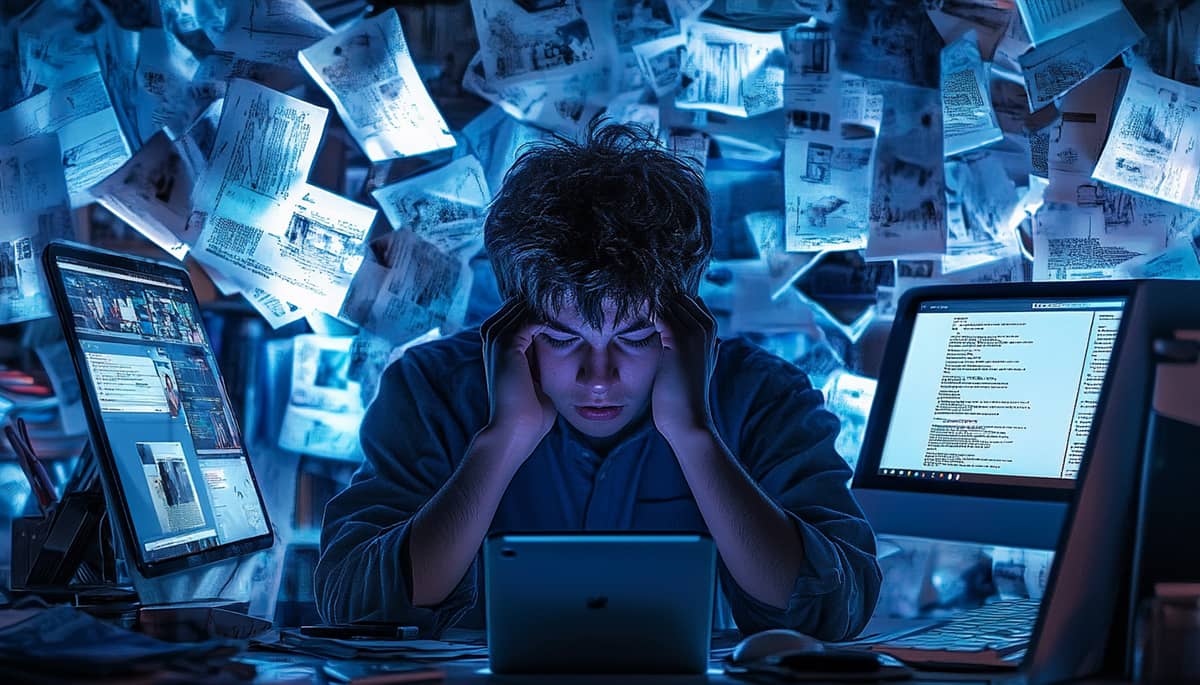


The rise of social media has transformed the daily lives of billions of people around the world in a way that is unprecedented in human history. Broadly defined, social media refers to online platforms that enable users to create content, share information, and interact with others in real time, often transcending geographic and cultural boundaries. Although it has its origins in early networking experiments and digital bulletin boards, its influence has grown steadily, becoming a central component of modern existence, shaping social interactions, work practices, personal habits, mental health, and even social norms.
In the early stages of the digital revolution, in the late 1960s and early 1970s, communication technologies such as ARPANET facilitated limited academic and military exchange of information. These early digital networks were a far cry from today’s social platforms, yet they laid the groundwork for a culture of connectivity. Those who had access to these networks began to experience a change in the way ideas were shared, which had the first subtle impact on daily life by introducing instantaneous digital communication, albeit within a restricted and exclusive community. By the 1980s and 1990s, the rise of personal computers and Internet access in homes marked the beginning of a democratic digital environment. Bulletin board systems (BBS), Usenet groups, and early chat rooms allowed everyday users to interact, exchange ideas, and form communities based on shared interests. These early forms of social media were rudimentary, text-based, and often exclusive, yet they introduced the concept of digital social interaction into ordinary life. People began to spend part of their daily lives online, and began experimenting with new forms of contact that were previously impossible. Long-distance friendships could be maintained without the need for expensive phone calls or letters, and individuals discovered communities of like-minded peers who shared hobbies, beliefs, and passions.
The 1990s saw the commercial emergence of social networking platforms such as SixDegrees, which allowed users to create profiles, list friends, and build networks. Although these platforms were initially modest in scale, they signaled the beginning of profound changes in social behavior. By the late 1990s and early 2000s, social media platforms such as Friendster and MySpace gained traction, offering rich user interfaces, multimedia sharing, and expanded networks of personal connections. This era introduced a new dimension to daily life: the blending of online and offline social identities. Users found themselves rapidly constructing digital personas, a task that required conscious attention and that influenced personal behavior in real life. Adolescents and young adults, in particular, began to negotiate social hierarchies both online and offline, and learned to understand peer perception in multiple dimensions simultaneously. Daily routines began to be subtly adapted to suit the new digital landscape. Logging into social networks became a habitual activity for many people, affecting time allocation throughout the day. Moments that were once devoted to reading, outdoor activities or face-to-face interactions began to be complemented—or even replaced—by online interactions.
The early 2000s saw the meteoric rise of platforms that would redefine the role of social media in everyday life: Facebook, launched in 2004, and Twitter, launched in 2006, introduced a new paradigm in communication. Facebook encouraged real-name interactions, promoting a sense of a permanent online identity similar to real life, while Twitter revolutionized microblogging, emphasizing brevity, speed, and real-time interaction. The impact on daily life was immediate and profound. People began structuring parts of their day around social media notifications, checking news feeds during meals, breaks, commutes, and even moments of rest. The psychological allure of social media through mechanisms such as likes, comments, and shares created patterns of intermittent reinforcement similar to behavioral conditioning. This constant engagement began to subtly affect mental health, attention span, and interpersonal dynamics. Families, workplaces, and schools felt these changes as individuals juggled the dual demands of digital socializing and offline responsibilities.
The proliferation of smartphones in the late 2000s and early 2010s further strengthened the influence of social media on daily routines. Platforms such as Instagram, Snapchat and WhatsApp made connectivity ubiquitous, allowing users to share experiences in real time through photos, videos and messages. The concept of “always on” communication began to permeate daily life. People could no longer completely disconnect from social obligations, business networks or social entertainment, which was increasingly taking place online. Mealtimes, leisure hours and even sleep schedules were disrupted as notifications and the allure of new content demanded attention. Social media began to dictate behaviour in subtle ways, influencing what people wore, what they ate and how they travelled, driven by a visual culture of sharing select moments. A simple breakfast became not just nutrition but a photo opportunity, a performance for an imagined audience. Social norms related to manners and presentation changed; digital approval in the form of likes and comments became a new currency of social validation.
By the 2010s, the integration of social media into daily life expanded into education and work. Learning management systems, professional networking sites such as LinkedIn, and collaborative platforms such as Slack have blurred the lines between personal and professional digital engagement. Students are increasingly relying on social media for academic collaboration, sharing notes, and discussing assignments. Professionals leveraged the platforms for networking, client communication, and branding. These integrations reshaped daily schedules, making social media both a tool and a potential distraction. The line between work, education, and leisure blurred as devices became gateways to multiple social spheres simultaneously. Individuals found themselves answering work emails late at night while simultaneously connecting with friends or participating in online social functions. This constant interconnectedness redefined notions of productivity, leisure, and personal space, making social media an inseparable component of everyday existence.
The impact of social media on personal relationships has been particularly profound. On the one hand, it allows families separated by distance to maintain bonds, provides avenues for romantic relationships, and facilitates friendships across geographic, cultural, and linguistic divides. On the other hand, it has also generated new challenges, such as the rise of digital misunderstandings, online jealousy, and pressure to maintain a particular image. The public nature of social interactions on platforms gives rise to scrutiny and comparison, which can influence behavior in offline settings. Individuals may experience increased anxiety, low self-esteem, or social withdrawal as a result of perceived inadequacy compared to curated portrayals of others’ lives. Romantic relationships are also affected, as constant online access allows for surveillance, oversight, or conflict arising from digital interactions. The delicate balance between connectivity and privacy has become an essential part of daily decision-making, influencing how individuals manage their time, emotions, and social engagements.
Mental health is another dimension in which social media profoundly shapes daily life. Research has shown that there are links between long-term social media use and anxiety, depression, sleep disturbances, and attention deficits. The design of the platforms encourages frequent checking and extended engagement, often resulting in disrupted routines and cognitive overload. Users may experience emotional instability when exposed to online feedback, trending topics, or negative content, such as cyberbullying, misinformation, or disturbing news. These effects permeate daily life and affect motivation, mood, and interpersonal interactions. For example, waking up with notifications or ending the day scrolling through feeds can increase stress, reduce sleep quality, and impede attention and productivity. The ubiquity of social media transforms mental health from a latent concern to an immediate and recurring aspect of daily existence.
Social media also influences consumption patterns, habits, and lifestyle choices. Platforms serve as powerful marketing channels, often personalized through algorithms that track behavior, preferences, and interactions. Individuals are exposed to a constant stream of advertisements, influencer promotions, and trending products, which shape purchase decisions in real time. This consumerist influence extends to fashion, technology, health products, and entertainment, integrating social media into daily routines of decision-making. Habitual engagement with content drives a desire for novelty, shaping social rituals, leisure activities, and even meal planning. For example, restaurant choices, travel destinations, and recreational activities are increasingly influenced by trends disseminated on social media, highlighting its role as a pervasive cultural curator. Daily life becomes a feedback loop of consumption and presentation, as users absorb trends and contribute content, thereby reinforcing the system.
The integration of social media into political and civic life has further transformed daily behavior. Platforms such as Twitter, Facebook and Instagram have become arenas for political discussion, activism and information dissemination. Daily routines now include exposure to news feeds, participation in online debates and involvement in campaigns or petitions. Users often balance between the dual roles of information consumers and participants, helping to shape the dialogue, deal with the complexities of misinformation, echo chambers and ideological reinforcement. Social media enables rapid mobilisation for causes, but it also imposes cognitive and emotional demands on individuals as they process conflicting information, respond to calls to action, or monitor ongoing events. This constant engagement affects attention span, emotional regulation and decision-making in daily life, as political content intersects with personal and social preferences.
Equally significant is the impact of social media on family life. Dinner tables, once sacred spaces for conversation and connection, are now often shared with smartphones and tablets. Parents and children alike incorporate social media into their daily routines, sometimes creating generational divides or conflicts over screen time, subject matter, and digital etiquette. Despite these challenges, social media enables families to coordinate schedules, share experiences, and maintain long-distance relationships, reflecting its dual role as a connector and potential disruptor. Daily interactions within households are increasingly mediated by digital devices, affecting communication patterns, emotional intimacy, and shared experiences.
The COVID-19 pandemic in 2020 exacerbated the impact of social media on daily life, accelerating existing trends and introducing new dependencies. Lockdowns and social distancing measures increased unprecedented reliance on online communication for work, education, socialization, and entertainment. Platforms such as Zoom, Microsoft Teams and Google Meet became integral parts of professional and academic routines, while Instagram Live, TikTok and YouTube provided opportunities for leisure, creativity and emotional support. Daily schedules were reshaped around virtual interactions, and social media replaced in-person gatherings, exercise routines and recreational outings. The pandemic underscored social media’s dual role as a facilitator of connection and a source of mental stress, highlighting both its indispensability and its potential for overload.
The integration of artificial intelligence and algorithmic personalisation has further transformed social media’s role in daily life. Platforms now curate content based on individual preferences, past interactions and inferred behaviours, creating an environment that is uniquely tailored to each user. While this increases engagement, it also fosters filter bubbles, limits access to diverse viewpoints and reinforces pre-existing beliefs. Daily experiences become mediated by algorithmic choices, which subtly guide what users see, think about, and engage with. From news consumption to entertainment, relationships, and shopping, algorithmic influence pervades every aspect of regular life, shaping perceptions, preferences, and habits in largely invisible but powerful ways.
Social media also redefines personal identity and self-expression in daily life. Users engage in a constant negotiation between the private self and the public persona, producing content consistent with desired impressions while managing vulnerabilities. This constant self-presentation influences offline behaviour, affecting speech, fashion, leisure choices and social interactions. The pressure to conform to perceived norms or to achieve a digital identity creates a layer of cognitive load that was absent in pre-digital life. Daily experiences, from mundane interactions to major life events, are now filtered through the lens of potential online sharing, leading to changes in authenticity, spontaneity and emotional regulation.
The impact of social media on daily life is pervasive, multifaceted and deeply ingrained in modern existence. From early digital networks to contemporary platforms powered by artificial intelligence, social media has reshaped communication, work, education, relationships, mental health, consumption patterns, civic engagement, family dynamics and personal identity. Daily routines are increasingly structured around online interactions, information, and content consumption, creating both opportunities and challenges for engagement and mental and emotional well-being. The impact of social media is neither inherently positive nor negative; it is a transformative force that reflects the evolving interrelationship between technology, human behavior, and social norms. As individuals move through this digital landscape, they must balance the benefits of engagement with mindfulness, connectivity with limitations, and information with the demands of mental health. The story of social media’s impact on daily life is an ongoing one, an ever-evolving narrative that reflects humanity’s adaptation to a world in which the digital and the physical are inextricably intertwined.
Read Also:
- The Impact Of Social Media On The Worldwide Public
- The Impact Of Social Media On Politics
- Impact Of Social Media On Education
- Why Social Media Trends Are Growing Day By Day Around The World
- The Impact Of Social Media On Worldwide Society
- Bad Effects Of Social Media On Teens
- Bad Effects Of Social Media On Adults
- Bad Effects Of Social Media On Older Citizens
- Disadvantages Of Social Media
- Benefits Of Social Media
- History Of Social Media
- What Is Social Media
- Social Media Crimes
- Passwords Of 184 Million People Leaked On The Internet: Banks, Social Media And Government Portals Affected, Thus Avoiding Fraud
- Musk Accuses Ukraine Of Being Behind Cyber Attack On X: Attacks From IP Addresses There; Social Media Platform Was Down For Three And A Half Hours
- Immediate Requirement Of Judicial Reforms To Deal With Financial Fraud And To Ensure Compensation For Victims
- The Influence Of Digital Technology To Change People’s Behavior In Using The Media
- Artificial Intelligence In Healthcare – A Revolution In Social Health Care System
- Negative Social Impacts Of Artificial Intelligence
- 60 Good and Bad Effects Of Smartphones On Our Social Lives
- Big Awareness Alert: Fraudulent Contact Numbers And Playboy Job Scams In India
- Powerful And Respected Politicians Of The Current BJP Government
- Online Romance Scam
- Mamata Banerjee Good Works As Chief Minister Of West Bengal