

Social media has become an inseparable part of modern life, profoundly shaping various spheres of human activity, and education is no exception. Its impact on education, both positive and negative, has been the subject of significant discussion over the past two decades, reflecting not only changes in technology but also changes in social expectations, learning practices, and students’ cognitive processes. From the early days of online forums to the explosion of interactive platforms such as Facebook, Instagram, and TikTok, social media has revolutionized the ways in which learners acquire knowledge, teachers impart information, and educational institutions structure learning environments. Understanding the impact of social media on education requires exploring its historical evolution, its psychological and sociological effects, the pedagogical opportunities it presents, and the challenges it poses.
The seeds of social media in educational contexts were sown in the late 20th century when the Internet transformed from a tool for military and academic research to a medium accessible to the public. In the 1960s and 1970s, early forms of networked communication such as ARPANET and bulletin board systems (BBS) allowed scholars and students to exchange information, albeit in a limited and text-based format. These platforms laid the groundwork for the collaborative nature of digital education. By the 1980s and 1990s, the introduction of email, discussion boards, and chat rooms began to integrate social networking principles with education. Educators used online forums to encourage dialogue among students, enabling asynchronous discussion and peer learning. Although these early tools were rudimentary, they demonstrated the potential of digital communication to extend the boundaries of traditional classroom teaching.
The 2000s saw a significant shift as platforms such as Facebook, MySpace and LinkedIn emerged, providing students with opportunities not only for social interaction but also for informal learning. Students began forming groups based on shared academic interests, exchanging study materials, discussing assignments and even organising online collaborative projects. At the same time, educators recognised the potential of these platforms for professional development and networking. The blending of social interaction with educational content began to challenge the traditional boundaries between formal and informal education. During this period, studies began to indicate that social media could increase engagement and motivation, particularly among digital-native students who find online environments more stimulating than traditional lecture-based formats. However, concerns also emerged about distractions, cyberbullying and the veracity of online information, indicating the need for a balanced and structured integration of social media into educational contexts.
The 2010s saw an unprecedented boom in the use of social media in education, driven primarily by the proliferation of smartphones, high-speed internet, and multimedia-rich platforms. Platforms such as Twitter, Instagram, YouTube, and emerging educational applications became central to students’ lives. These platforms transformed the way students accessed information, giving them instant access to tutorials, lectures, and explanatory videos on a wide variety of subjects. Teachers increasingly used social media to supplement classroom teaching, post assignments, conduct live Q&A sessions, and foster peer-to-peer learning communities. In higher education, platforms such as LinkedIn became invaluable for networking, internships, and career-oriented education, while online repositories and MOOCs (Massive Open Online Courses) leveraged social media to create global learning networks. The interactive nature of these platforms encouraged active learning, critical thinking, and collaborative problem-solving, as students could engage in discussions, debate ideas, and receive immediate feedback from peers and instructors.
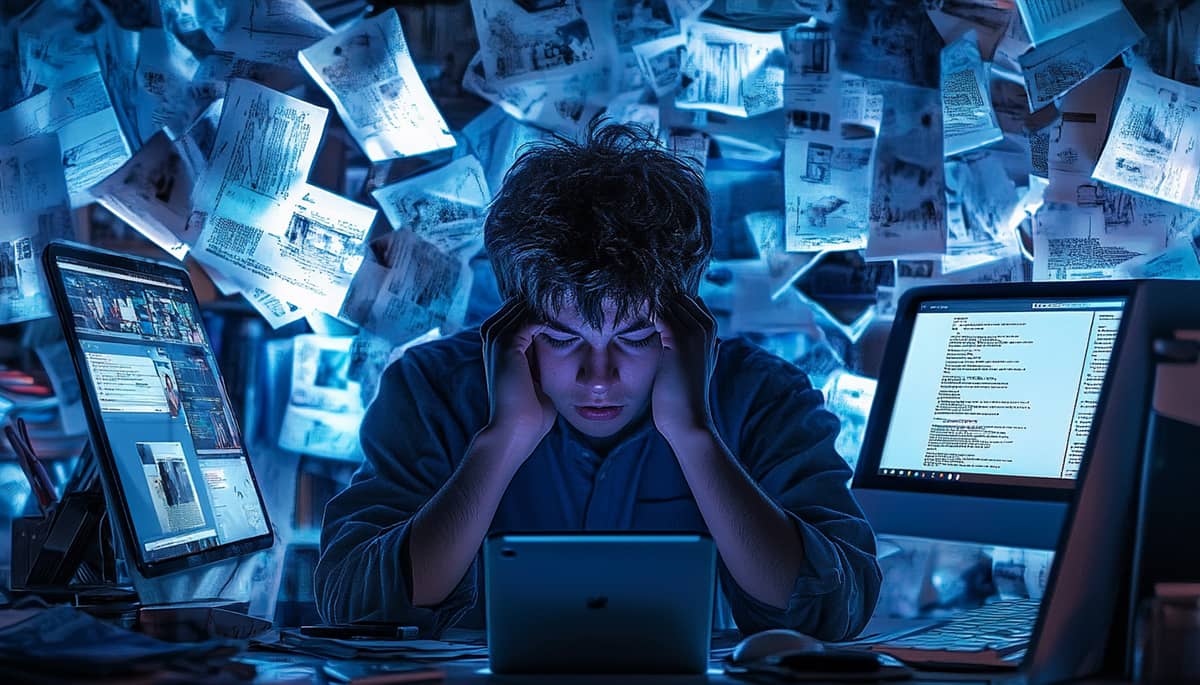
Social media has also changed the psychological dimensions of education. The interactive and participatory nature of these platforms has fostered a sense of belonging among students, enabling them to connect with like-minded peers, mentors, and communities of practice. Learning is no longer confined to physical classrooms; digital communities create informal spaces where curiosity is nurtured, questions are encouraged, and knowledge is co-constructed. Social media gives students the opportunity to explore content at their own pace, revisit lectures, and engage in self-directed learning, thereby promoting autonomy and lifelong learning habits. However, the psychological impact is not exclusively positive. Excessive engagement with social media can lead to cognitive overload, reduced attention span, and difficulties in distinguishing credible sources from misinformation. Studies have shown that students often experience high levels of anxiety and stress due to social comparison, seeking validation online, and fear of missing out on peer activities. These factors can negatively impact academic performance, motivation, and overall well-being, reflecting the dual nature of social media in educational environments.
The integration of social media into educational practices has also transformed pedagogical strategies. The traditional teacher-centric approach characterized by one-way transmission of knowledge has gradually given way to a more interactive, student-centric model. Platforms such as YouTube allow teachers to provide a flipped classroom experience, where students attend lectures online at their own pace and use class time for discussion, problem-solving, and application-based activities. Collaborative tools embedded in social media platforms such as Google Docs, Slack, and Discord facilitate real-time collaboration among students, enabling them to co-author documents, manage projects, and engage in peer review. These tools develop critical skills such as communication, collaboration, digital literacy, and information evaluation—competencies that are becoming increasingly essential in the 21st century workplace. Additionally, social media has democratized access to educational resources and bridged geographic, social, and economic gaps. Students in remote areas can access the same content as students in urban centers, participate in global academic communities, and benefit from diverse perspectives and knowledge traditions.
Despite the many benefits, social media presents significant challenges for education that require careful consideration. Distractions are perhaps the most widespread concern, as students often switch between academic tasks and social interactions, resulting in fragmented attention and reduced learning efficiency. The addictive design of social media platforms, which leverage notifications, likes, and algorithms to maximize user engagement, further exacerbates this problem. In addition, the spread of unverified information is a serious challenge, as students may have difficulty distinguishing between credible academic sources and misleading content. Cyberbullying and harassment on social media can create hostile environments that negatively impact mental health, self-esteem, and academic performance. Privacy concerns and data security issues further complicate the scenario, as educational institutions are increasingly relying on digital platforms that collect and store sensitive student information. Addressing these challenges requires a combination of digital literacy education, structured platform use, and responsible policies at both the institutional and governmental levels.
The COVID-19 pandemic of 2020 and the subsequent global lockdown underscored the indispensable role of social media and digital platforms in education. With no access to physical classrooms, schools and universities rapidly turned to online education, leveraging social media tools and video conferencing platforms to maintain continuity of education. Teachers adopted social media to communicate with students, share resources, conduct assessments, and facilitate group discussions. Students, in turn, relied on these platforms to access learning materials, collaborate with peers, and participate in virtual study groups. The pandemic has accelerated the normalization of digital education, highlighting its potential to increase access and its limitations in terms of social interaction, engagement, and overall development of learners. The experience showed that social media can act as both a bridge and a barrier in education, depending on how it is structured, controlled, and integrated into the pedagogical framework.
Beyond formal education, social media has fueled the rise of informal learning ecosystems. Educational content creators on platforms such as YouTube, TikTok, and Instagram have developed micro-learning modules, tutorials, and interactive lessons that reach millions of students worldwide. This phenomenon has empowered learners to acquire knowledge beyond the traditional curriculum, develop specific skills, and connect with global communities. Social media has also promoted interest-driven learning, where students explore topics based on curiosity rather than institutional mandates. This personalization increases engagement and motivation, allowing learners to construct knowledge in ways that suit their individual learning styles. Additionally, online communities, forums, and discussion groups provide platforms for guidance, peer support, and intercultural exchange, thereby enriching the educational experience and promoting global citizenship.
However, the social dimension of social media in education also presents complex implications. Although these platforms facilitate collaboration and networking, they can also exacerbate inequalities among students. Access to technology, internet connectivity and digital literacy skills varies widely, often reflecting socio-economic inequalities. Students without reliable access may be marginalised, leading to gaps in learning outcomes and opportunities. Furthermore, the blending of social interaction with academic engagement can sometimes blur boundaries, creating conflicts between social and academic priorities. The pressure to maintain an online presence, perform well academically and connect socially can lead to stress, fatigue and a loss of cognitive focus. Educators and policymakers need to deal with these tensions carefully, striking a balance between the benefits of social media and its potential to increase inequalities and psychological stress.
The long-term implications of social media on education are profound. As technology continues to evolve, emerging trends such as artificial intelligence, virtual reality and augmented reality are increasingly being integrated into social media platforms, delivering immersive learning experiences. AI-powered educational tools can personalise learning paths, provide instant feedback and support adaptive assessment, while VR and AR can create experiential learning environments that transcend the limitations of traditional classrooms. Social media, when effectively combined with these technologies, can create dynamic, interactive and inclusive educational ecosystems. At the same time, these developments require a re-evaluation of curriculum, pedagogical practices and teacher training programmes to ensure that students acquire not only subject knowledge but also critical digital literacy, ethical awareness and self-regulation skills.
Social media has had a transformative impact on education, reshaping the ways in which knowledge is accessed, distributed and created. Its impact spans historical, psychological, pedagogical and technological dimensions, providing both unprecedented opportunities and significant challenges. From early networked communication to contemporary digital platforms, social media has enhanced interaction, collaboration, and access, and fostered more participatory and student-centered learning environments. At the same time, it has created distractions, mental health concerns, misinformation, and inequities that require careful management. The experience of the COVID-19 pandemic has further highlighted the centrality of social media in education while highlighting its limitations. Looking ahead, the integration of emerging technologies with social media promises to redefine the boundaries of learning, creating immersive, personalized, and global educational experiences. To maximize benefits and minimize risks, educators, students, and policymakers must embrace digital literacy, responsible use, and thoughtful pedagogical design. Social media, in short, is neither inherently beneficial nor harmful to education—it is a tool whose impact depends on how it is used, governed, and aligned with the broader goals of learning and human development.
Read Also:
- Why Social Media Trends Are Growing Day By Day Around The World
- The Impact Of Social Media On Worldwide Society
- Bad Effects Of Social Media On Teens
- Bad Effects Of Social Media On Adults
- Bad Effects Of Social Media On Older Citizens
- Disadvantages Of Social Media
- Benefits Of Social Media
- History Of Social Media
- What Is Social Media
- Social Media Crimes
- Passwords Of 184 Million People Leaked On The Internet: Banks, Social Media And Government Portals Affected, Thus Avoiding Fraud
- Musk Accuses Ukraine Of Being Behind Cyber Attack On X: Attacks From IP Addresses There; Social Media Platform Was Down For Three And A Half Hours
- Immediate Requirement Of Judicial Reforms To Deal With Financial Fraud And To Ensure Compensation For Victims
- The Influence Of Digital Technology To Change People’s Behavior In Using The Media
- Artificial Intelligence In Healthcare – A Revolution In Social Health Care System
- Negative Social Impacts Of Artificial Intelligence
- 60 Good and Bad Effects Of Smartphones On Our Social Lives
- Big Awareness Alert: Fraudulent Contact Numbers And Playboy Job Scams In India
- Powerful And Respected Politicians Of The Current BJP Government
- Online Romance Scam
- Mamata Banerjee Good Works As Chief Minister Of West Bengal