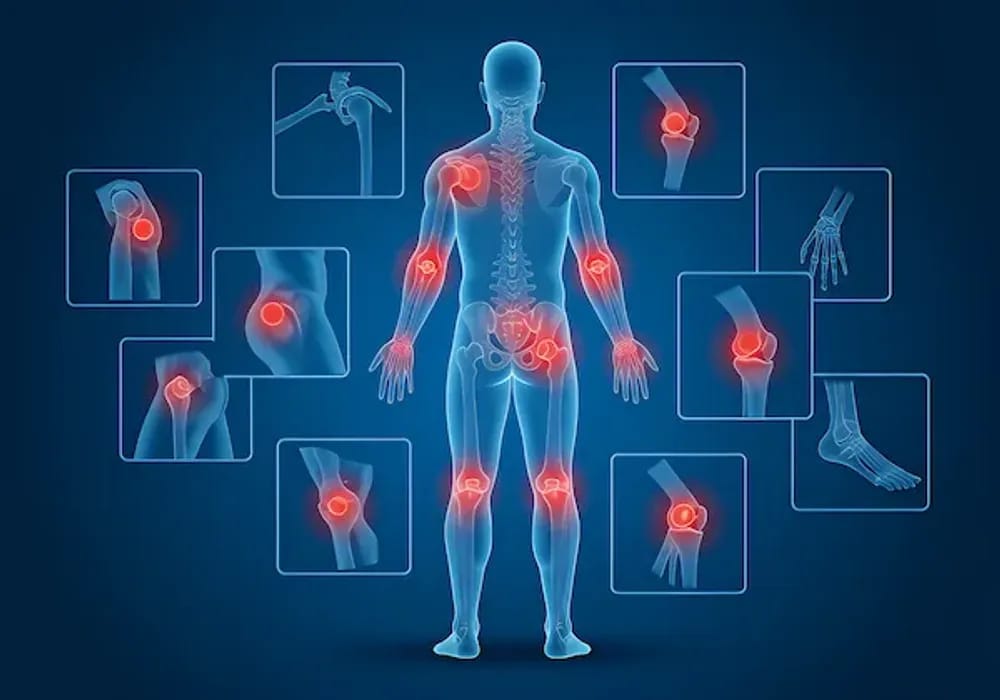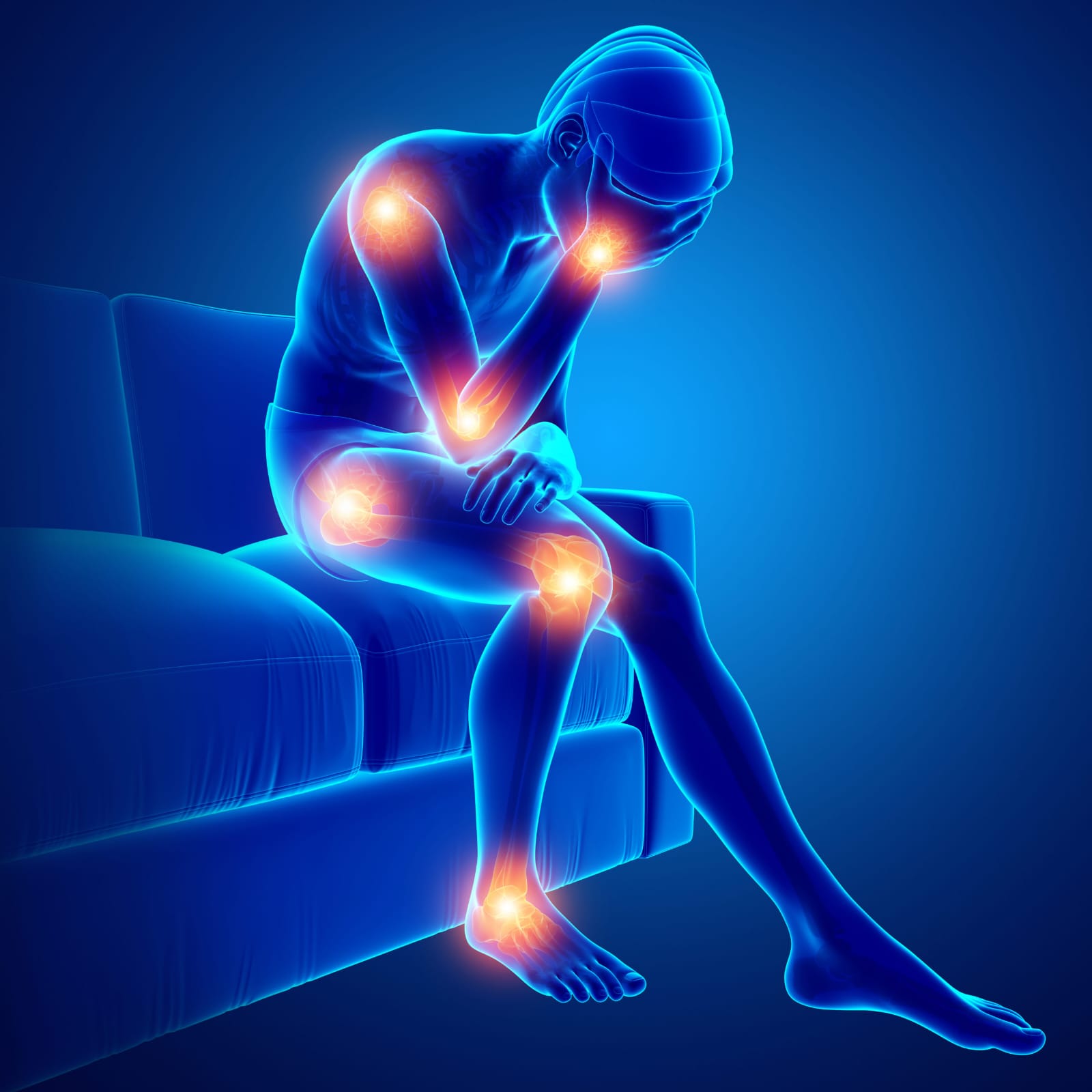



We all experience pain at some point; It is a physical condition that can cause problems for a person physically and mentally. Pain is a bad experience related to the brain and body in which body tissues are damaged. People feel pain when a signal goes through nerve fibers to the brain for interpretation. The experience of pain is different for every person, and there are many ways to feel and describe pain. Till now, no exact definition of pain has been made, but according to the medical point of view, pain is considered a sign of some internal problem. Pain is primarily a symptom or sign of another physical problem that can range from normal to very severe.
How Many Types Of Pain Are There? What Is The Type Of Pain?
In fact, there is no accurate information about how many types of pain there can be. A person may experience pain in all parts of his body, which will be completely different from another person. But currently pain is mainly divided into two types, which are described below: –
(1) Acute Pain Acute Pain
This type of pain makes the person aware of an injury or localized tissue damage (localized tissue damage) to a part of the body. This pain starts suddenly and goes away on its own some time after the pain is treated. But this does not mean at all that the acute pain is not serious; sometimes this pain can also be serious, due to which the person may have to face a lot of problems. You can take a headache as an example. Not only this, if the acute pain increases, it can increase the heartbeat and also make the blood pressure high.
There are mainly three types of acute pens:
1. Somatic pain Somatic Pain: A person feels somatic pain or superficial pain on the skin or on the soft tissues just under the skin.
2. Gut Pain (Visceral Pain): This pain originates in the lining of the internal organs and cavities of the body. For example, stomach ache or chest pain.
3. Referred Pain: In this type of pain, the pain occurs in another part of the body instead of the main affected organ. For example, if there is pain in the kidneys or pancreas, pain is felt in the stomach or waist.
(2) Chronic Pain Or Chronic Pain Chronic Pain
Compared to acute pain, chronic pain lasts much longer and often has no treatment, yes, but it can provide relief for some time, but it can be cured in very few cases forever. Chronic pain can range from mild to severe to very severe. If you have been having any pain continuously for the last 3 months or more, then it is definitely a chronic pain. Chronic pain may also be continuous, as in arthritis, or intermittent, as with a migraine episode. Recurrent pain occurs frequently but stops from becoming severe.
What Is Leprosy?
Apart from acute and chronic pain, pain can also be divided into some parts, which are as follows: –
1. Neuropathic pain Neuropathic Pain: Neuropathic pain occurs after injury to the peripheral nerves (peripheral nerves) connecting the brain and spinal cord to the rest of the body. It may feel like an electric shock or cause problems with tenderness, numbness, tingling, or restlessness.
2. Phantom pain: Phantom pain is pain that feels like it’s coming from a part of the body that’s no longer there. Doctors believed that this post-dissection phenomenon was a psychological problem, but experts now believe that these real sensations originate in the spinal cord and brain.
3. Central Pain: This type of pain is often caused by myocardial infarction, abscesses, tumors, degeneration, or bleeding in the brain and spinal cord. Central pain once started can range from mild to severe. People with central pain have problems with burning, pain, and pressing sensations.
4. Abdominal pain Abdominal Pain: Abdominal pain is considered to be much more severe than the rest of the body pain because it is very difficult to catch.
5. Joint pain: Joint pain is linked to age; often with increasing age, the person starts having problems. At the same time, many times this pain can also occur due to arthritis or other reasons.
6. Complicated regional pain syndrome Complex Syndrome of Limited Pain: Complicated regional pain syndrome (CRPS), formerly known as reflex sympathetic dystrophy, is a chronic neurological disorder involving organs disabling pain, inflammation, vasomotor instability, sudomotor abnormality, and loss of motor function. This type of pain is a shocking, highly painful disorder that can develop from a minor injury.
7. Diabetes-related Nerve Pain (Neuropathy): If you have diabetes, nerve damage can be a serious complication. This nerve complication can cause severe irritation, especially at night. Due to this, there is severe pain in the veins of the legs and feet due to which the body also becomes swollen.
8. Ringworm pain (Postherpetic Neuralgia): Shingles is a painful condition that arises from varicella-zoster, the same virus that causes chickenpox. It is very difficult to get rid of this pain, but after ringworm is cured, the pain gets relief automatically.
9. Facial Naso Pain Trigeminal Neuralgia: Trigeminal neuralgia is a condition characterized by pain similar to an electric shock on one side of the face. This chronic pain condition affects the trigeminal nerve, which causes a sensation from your face to your brain.
What Are The Causes Of Pain?
The problem of pain in every person is different; some people get the problem of headache just by listening to loud music, while some people do not care about it. Some people start having back pain problems by lifting a little weight, while on the other hand, some people lift even the heaviest things very easily, and they do not face any problems with it. However, the main reason for body pain is some condition due to which our body could not come to a state of rest both physically and mentally. But still the problem of pain mainly occurs due to the following three reasons:
1. Any wound
2. Due to some surgery
3. Any medical condition, such as arthritis, cancer, or groin injury
How Does Pain Affect Our Body? How Does Pain Affect Our Body?
Pain is a complex protective mechanism that is an essential part of physical and mental development that protects the body from danger and harm. If pain does not develop in the body, it can have good and bad effects for the person both physically and mentally. Suppose we do not have pain; then we can do many things with our body, which we do not do now because we feel pain.
The body has pain receptors that are associated with 2 main types of nerves that detect danger. A nerve type transmits messages quickly, causing severe, sudden pain. The second message sends slowly, causing pain to begin after a long time; this is called chronic pain.
Some areas of the body have more pain receptors than others. For example, the skin has a lot of receptors, so it is easy to get information about the exact location and type of pain. The intestine has very few receptors, so it is difficult to pinpoint the exact location of stomach pain.
If pain receptors in the skin are activated by touching something dangerous, these nerves send alerts to the spinal cord and then to the part of the brain called the thalamus. You can take here, for example, the position of being touched by something hot. Sometimes the spinal cord sends immediate signals to the muscles to contract them. It moves the affected body part away from the source of danger or damage.
It is a reflex response that prevents further damage; this occurs before the pain is felt. Once the ‘alert’ message reaches the thalamus, it sorts the information sent by the nerves, taking into account your past experience, beliefs, expectations, culture, and social norms. This explains why people have different reactions to pain. The thalamus then sends information to other parts of the brain that are associated with physiological response, thought, and emotion.
This is when you can feel the sensation of pain and think, ‘He’s hurt!’ Or what was it?’ The thalamus also contributes to mood and arousal, which helps explain why your interpretation of pain depends partly on your state of mind.
What Are The Symptoms Of Pain?
There is no symptom of pain; it is itself a symptom of some common or serious problem. Pain in our body shows that we have fallen prey to some physical problem, and it is now continuously increasing. We can easily find out about that physical problem on pain recognition. In case of pain, we can get rid of it with the help of pain management.
What Is Pan Management?
Pain management is nothing but the ways in which a person can get rid of or control the pain. With the help of pain management, a person can be relieved from pain forever and for some time. You will get relief from pain management forever or for some time or a long time. It depends on what type of pain you are struggling with, whether it is acute or chronic, and what you are doing to get rid of the pain. What technique are you resorting to?
How Many Methods Of Pain Management Are There?
To get rid of pain, a person can adopt the following four main methods. There are many such remedies in these methods with the help of which one can get rid of pain for a short to long time and often forever.
1. Physical Methods Physical Methods
2. Mind-body technology Mind-Body Technologies
3. Relaxation methods Relaxation Methods
4. Treatment with medicine: Drug Therapy
Let us now know in detail about these four pain management methods one by one and get rid of the pain.
1. Physical Techniques and Physical Technologies:
When there is pain, most physical methods are adopted to get rid of it, and they work faster than other methods:
Hot and cold therapy—Hot and cold therapy is a common and safe technique to reduce pain. Heat helps relax muscles and dilate blood vessels. It helps in quick recovery after injury. For this, hot water is poured into a rubber or glass bottle, and the possible area is treated. Cold therapy reduces blood flow and reduces inflammation, which causes pain. In this, it is often cooked with ice.
Massage—massage is most commonly used in India to relieve any pain. Pain-relieving oil, cream, or balm is used for massage, and it provides relief very quickly. In case of headache, massaging the head provides relief very quickly. Massaging can provide a person with the following benefits: –
- Physical and mental relaxation
- Increased flexibility
- Less inflammation
- Better currency
- Improved circulation
- Low hardness
Acupuncture – Acupuncture is a therapeutic treatment applying thin needles to the skin at precise points in the body. It has been used in China and many nearby countries for a long time. There is a lot of research related to this, which proves that this technique can help people manage some pain conditions.
This may provide short-term relief from pain in the lower back, neck, knee, and osteoarthritis. The following benefits can be obtained from the use of acupuncture: –
- Pain relief
- Less inflammation
- Physical and mental relaxation
- Low muscle spasms
Acupuncture is usually safe, but if you face any problem while taking it, inform your inspector immediately.
2. Mind-Body Technology Mind-Body Technologies
In this technique, psychology and body together perform some activities that easily get rid of the problem of chronic pain. For this, the following ulcerative methods can be used: –
Cognitive behavioral therapy—Psychological treatment for chronic pain—includes talking therapies such as cognitive behavioral therapy (CBT). Psychological treatment aims to reduce the negative impact of chronic pain on a person’s mental health. In this, possible pain is discussed with the patient, and the pain is relieved.
Yoga—The purpose of yoga is to keep the body in a relaxed state, strong and flexible, through stretching, focusing on particular areas of the body. For centuries, with the help of yoga, one has been getting relief from even the most serious pain. Yoga not only relieves you from physical problems, but it also benefits you mentally. For example, if you are suffering from back pain, then you can use Bhujangasana. While doing yoga, keep in mind that you should do all the steps of yoga properly; otherwise, you may have to face many serious problems. It would be better if you did yoga under the supervision of an inspector also.
3. Relaxation Methods Relaxation Methodes
In pain management, you can also get rid of possible pain by adopting some of the following relaxing methods: –
1. Deep breathing techniques: Slow and relaxed breathing methods, such as box breathing, help relieve stress.
2. Thinking peacefully: Spend 5 minutes imagining a quiet scene, like a sunny afternoon in nature or sitting among green trees.
3. Calming activities: You can read a book, eat the food you like, go somewhere, listen to the music you like, or even have a restful sleep.
4. Drug Treatment Drug Therapy
You can also use medicines to get rid of pain. This is a common method used to get rid of pain. To get rid of any pain, you can take the following medicines as per the doctor’s advice: –
- Nonsteroidal inflammatory drugs
- Antidepressants
- Beta inhibitors
- Cannabis
- Antibiotics
Note that excessive consumption of any medicine can also cause many physical problems, among which kidney-related diseases are the most common. Therefore, it would be better if you use other measures to get rid of pain.”
Disclaimer
The information provided is accurate and up to date to the best of our knowledge. However, it should not be considered a substitute for medical advice or counselling. We do not guarantee its completeness or accuracy. The absence of specific warnings does not mean that a medicine is safe for all users. We are not responsible for any consequences based on this information and strongly recommend consulting a doctor for any medical concerns or questions.
Read Also:
- There Is Constant Pain In The Body; Know The Reason Behind It
- What Are The Causes Of Pain In The Entire Body
- Why Does Body Ache Occur? What Diseases Is It The Cause Of
- What Are The Causes Of Pain In The Entire Body
- These 5 Miracle Benefits Of Eating Grapes Will Startle You: Beneficial For Cancer, Eyesight, Young Skin, And Digestion
- Side Effects Of Not Consuming The Right Amount Of Kiwi Fruit
- Are You Eating These Vegetables And Considering Them Healthy? See How It Can Increase Your Weight
- Benefits And Disadvantages Of Eating Kiwi
- The Benefits Of Eating Kiwi Are Tremendous And Healthy For Immunity, Digestion, And Heart
- Weakness: When To See A Doctor
- What Is Physical Weakness? Causes, Treatment, And Symptoms
- Why Does Weakness Occur? Know Its Causes, Symptoms, And Remedies
- Symptoms Of Weakness In The Body And Ways To Remove Weakness
- Understanding The Causes Of Physical Weakness
- Weakness In The Body
- 15 Unmatched Advantages And Disadvantages Of Kiwi Fruit
- Advantages, Uses And Disadvantages Of Kiwi Fruit
- Kiwi Fruit
- Benefits And Properties Of Eating Banana
- Benefits And Properties Of Eating Apple
- Benefits And Properties And Disadvantages Of Eating Mango
- Benefits And Properties And Disadvantages Of Eating Pomegranate
- Benefits Of Eating Black Grapes