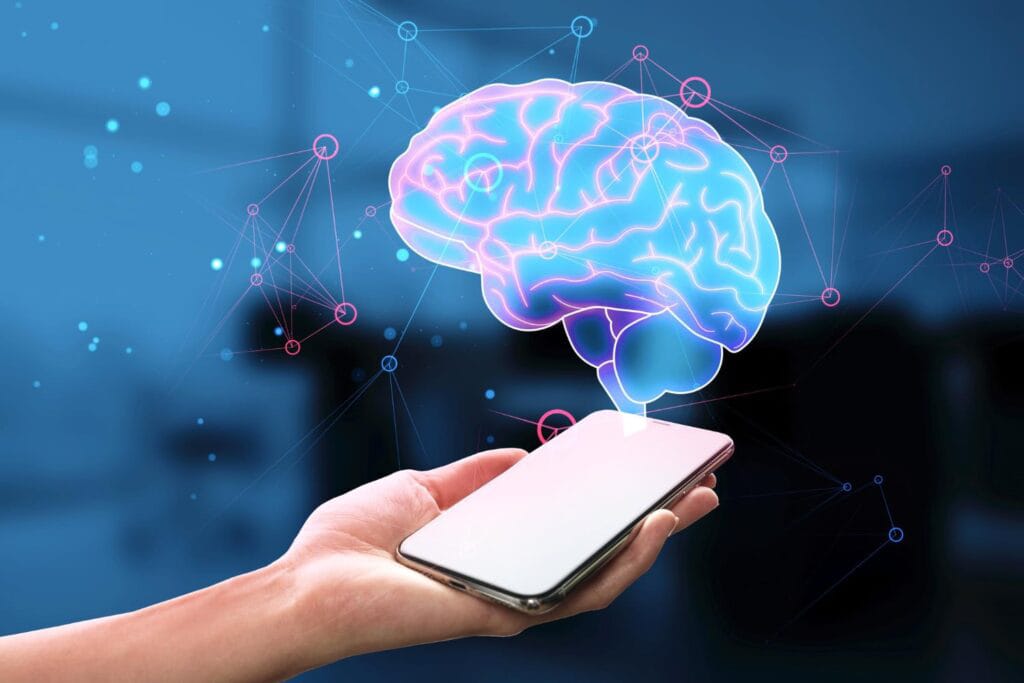


We are entering a new kind of health crisis. This may be the most widespread addiction in human history. Yet, many people are not even aware of its existence. This silent problem is all around us, and it is further impairing our mental health. Today, we are facing this new addiction: smartphone use.
In 2007, a new kind of “drug” engulfed the world. In less than 15 years, more than half the world’s population began using it daily. This “drug” caused more depression, anxiety, and suicide, especially among young girls. This causes approximately 3,000 people in the United States to die each year in road accidents due to distraction. If it were a traditional drug, there would be public outrage. Governments and society demand action. We would see cases and demands for justice. But this “drug” is probably in your pocket right now. This is your smartphone.
As a Child and Adolescent Psychiatry Fellow, Dr. Justin Romano sees many young people between the ages of 5 and 19 getting addicted to their phones. He believes that we should see smartphones, technology and social media as addictions. This new approach is the key to addressing our current mental health crisis.
How Smartphones Capture Our Brains
All addictive things, including your smartphone, increase dopamine in your brain. It occurs in areas such as the ventral tegmental area and nucleus accumbens. Dopamine makes you feel good and satisfied. It also increases your desire to do things over and over again.
Think about ancient humans. If you found a new food source, such as a blueberry plant, your brain would release dopamine. That would have made you feel good about that discovery. This would also increase your desire to find more food. Today, apps use this brain system. They cause your brain to release dopamine. They do this without giving anything good for you.
Developers have discovered a way to hack your brain’s reward system. They did it without using any physical substance. They did it through computer code. In modern times, addiction is often just zero and one.
Symptoms of smartphone addiction
Addiction usually shows certain symptoms. See how many of these are suitable for you or someone you know:
- Dangerous use: You use your phone while driving or in other dangerous situations.
- Decrease in social work: You isolate yourself or stop doing social activities you previously enjoyed.
- Alienation: You feel restless or anxious when you’re away from your phone.
- Craving: You have a strong desire to use the phone.
- Increased tolerance: Your screen time is increasing, meaning you need to use more to feel satisfied.
- Unsuccessful attempts to reduce: You try to reduce your phone usage, but can’t.
- Quitting hobbies: You spend more time on your phone than your old interests.
Many people recognize these signs in themselves or in others. If you see these signs, accepting the problem is an important step.
Unavailable diagnosis
You may feel that mental health experts are already solving this problem. But smartphone addiction spread so rapidly that research could not be done on it. As of now, major mental health groups do not officially recognize phone addiction.
For example, the DSM-5 (Diagnostic and Statistical Manual), which guides psychiatrists, has no official diagnosis of phone addiction. ICD-10 and 11 (International Coding System for Health Problems) also do not have a code for it. There’s a code to sink into a jet engine, but not phone addiction.
Without an official diagnosis and code, it is difficult:
- Diagnosing the problem.
- Billing for treatment.
- Finding out how widespread it is.
We need a common understanding on this issue. The first step in treating any addiction is to accept that it is a problem. But if there is no official diagnosis, society cannot even consider it a problem.
Why smartphones are a “super addiction”
How big is this problem? Consider smoking. At its peak in 1954, about 45% of Americans smoked. Today, 97% of Americans own a smartphone. Almost half of them are already used to it.
Smartphones encapsulate multiple addictive elements in a single device:
- Video games
- Online gambling
- Shopping
- Social media
- Instant messaging
This means you carry with you a “ticking time bomb” of addiction. You have unlimited access to it. Your phone is programmed to ring and ring at the right time. This keeps you thinking about it, and your screen time keeps increasing.
Here are some more reasons why smartphones are a “super addiction”:
- Fast acceptance: Smartphones are so new. The iPhone came out in 2007. By 2022,5% of American teens will own a smartphone. They use it for about nine hours a day. The original telephone took over 100 years to become common.
Smartphones did this in less than 20 years.
- Easy supply: Most addictions require things like planting, growing, shipping, and preparation. Smartphones almost eliminate all these steps. App developers can provide free, legal, addictive content instantly to anyone, anywhere. Imagine a drug that is free, legal, addictive and always in your pocket.
- Continued growth: Smartphones and apps change very quickly. TikTok, for example, quickly took over the entire younger generation. It was designed to be more addictive and difficult to quit. New, more addictive apps come in every few weeks.
- Social acceptance: Giving children cigarettes or alcohol is generally considered wrong. But giving your child a new iPhone at Christmas is often considered good parenting. Society doesn’t consider phones harmful, so we haven’t been able to resist this growing addiction.
Harmful Effects Of Excessive Smartphone Use
Smartphone addiction causes many other mental health problems. These are called comorbidities. Studies link excessive smartphone use to:
- Depression
- Anxiety
- Substance abuse
- Obsessive-compulsive disorder (OCD)
In addition to these, there are serious social problems:
- Children face constant criticism online. They get bad messages and cyber bullying. This can make social anxiety worse.
- Sexual harassment is common and harms many young people. Many teenage girls complain of being pressured to take nude photos.
The longer we ignore smartphone addiction, the worse these problems will become. This is especially true for the next generation. Growing up with addiction changes brain development. These changes can be dramatic for both brain function and personality. Brain development continues into the early years of age 20. Addiction literally changes your brain.
We hear stories of drug addicts who lie and steal from family. Similarly, young people can steal credit cards out of impulse to satisfy their addiction to online video games. This reduces trust with their families. When a person’s brain develops with addiction, everything else becomes secondary. Other mental health problems increase and academic performance falls.
Just imagine how much creativity, empathy, productivity and engagement we lose. This happens when everyone spends nine hours a day on their phone.
Parenting and impact on children
Early brain development depends on daily interactions with caregivers. Nowadays children often compete with smartphones to get their parents’ attention. The screen has changed parenting both directly (how much children use the screen) and indirectly (how much parents use the screen).
Parents scrolling through their phones for hours. This means that they are able to spend less time with their children during important stages of brain development. Dr. Romano, who is a first-time father, considers his daily screen time of three to five hours. He thinks about how this will affect him as a parent. He believes that reducing screen use will make him a better parent, but he believes it is difficult.
It is our duty to create a better world for our children and grandchildren. A world where only children can live. A world where two-year-olds don’t get addicted that takes up a third of their lives. A world where depression, anxiety and suicide are less. We should check our relationship with our phone.
Smartphones aren’t completely bad. These are a powerful tool. It is not practical to get rid of them. But before we sink too deep into addiction, we have to maintain a healthy balance.
What We Can Do About Smartphone Addiction
We can take steps to reduce problematic smartphone use, especially among youth.
Steps for individuals and families
- Limit screen time with password: Use apps to limit screen time. Make sure you set a strong password. Children often find ways to close the border, if they can.
- Keep your phone away at night: Sleep is very important for mental health and brain development. Many children remain on the phone till late night, when they should sleep.
- Talk to children about addiction: Tell children what can cause phone addiction and harm. If they are aware of its dangers, they will be less likely to start using them problematically.
- Be a role model: Parents should set a good example. If we are not willing to change ourselves, we cannot expect change from the youth. Consider your screen time habits.
Work for the mental health community
The medical community also has important tasks to perform:
- Consensus on diagnostics and codes: We need to build consensus on an official diagnosis and billing code for smartphone addiction.
- Raise awareness: Make people aware of the issue.
- Check patients: Doctors should ask patients about their digital media use and pay attention to symptoms of addiction.
Social change and accountability of tech companies
Perhaps the most important thing we can do as a society is to hold tech companies accountable. If we don’t, they’ll keep making even more addictive products. We have successfully held tobacco companies accountable in the past, helping to reduce smoking trends. We can still do the same.
We don’t need to discredit the tech industry. Instead, they have a chance to work with us. Imagine a world where tech companies share their data with researchers. This can help us understand and overcome smartphone addiction. What if this data could also identify people in the early stages of depression, anxiety, ADHD, bipolar disorder, or schizophrenia? This will help them quickly. Technological companies can go beyond being part of the problem to being part of the solution.
We have not yet reached a period of long-term, research-based solutions. But our journey starts from today. It starts with raising awareness about an issue that has been before us for 15 years. Smartphone addiction is a real problem. Controlling this new epidemic is already beginning.
Read Also:
- The Danger Of Screen Time: How Mobile Phones Are Harming Our Children
- Hidden Dangers: Side Effects Of Mobile Phone Addiction
- Are Phones Silently Killing Your Brain CellsIs Your Smartphone Hacking Your Brain? Understanding The Hidden Truth
- Red Wine And Health: True Vs False – Understanding The Advantages And Disadvantages Of Drinking The Right Amount
- Complete Diet Chart For Obesity And Weight Loss
- Nutrients To Eat Before Gym
- Which Dry Fruit Helps You Sleep Well? Expert Told The Name Of This Dry Fruit
- Best For The Skin Is The Combination Of These 2 Things, By Applying Regular, The Lost Brightness Of The Skin Will Return Again, Use It Like This
- How To Control Body Weight During Festivals
- Why Should You Eat Soaked Almonds Every Morning
- Government Claims- Covid Vaccine Is Not Responsible For Heart Attacks Among Youth, How Many Experts Agree
- Why Does The Breath Smell Bad? You Can Control It With These Methods
- Women Often Suffer From Calcium Deficiency, There Are Ways To Avoid It
- Salt Is Promoting A Hidden Epidemic In India, What To Do To Avoid It
- Are Your Favourite Healthy Drinks Damaging Your Teeth
- It Is Not Necessary To Walk 10 Thousand Steps For Health, Diseases Will Stay Away With Only These Many Steps