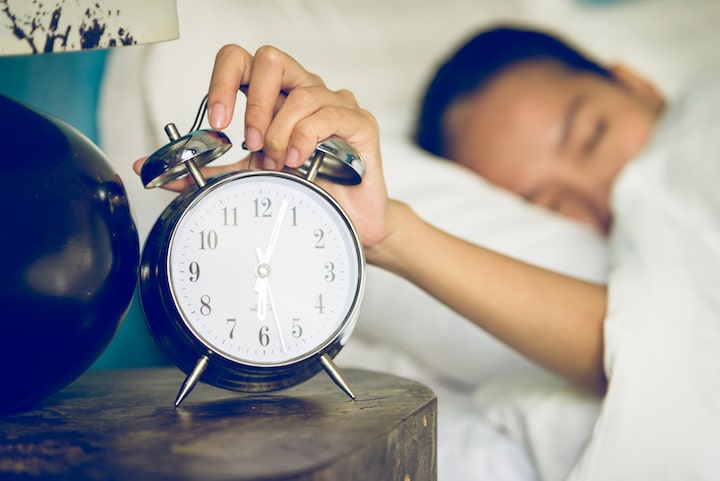



Alarm Clocks Can Harm You: People with jobs often wake up to alarms. But if you do this, stop! It can cause high blood pressure and increase stress hormones, which can damage your body. Scientists suggest using light instead.
Imagine you fall asleep around 12 PM but have to set a loud alarm for 4 AM to go to work. You’ll have to wake up quickly, even if you don’t want to. This can feel like a shock. You might feel annoyed, have a headache, and be angry. This happens because a loud alarm triggers your body’s emergency response. But since there’s no real emergency, this releases stress hormones that can slowly harm your body. A new study says it’s better to wake up with gentle light instead of an alarm.
Why Alarms Are Bad
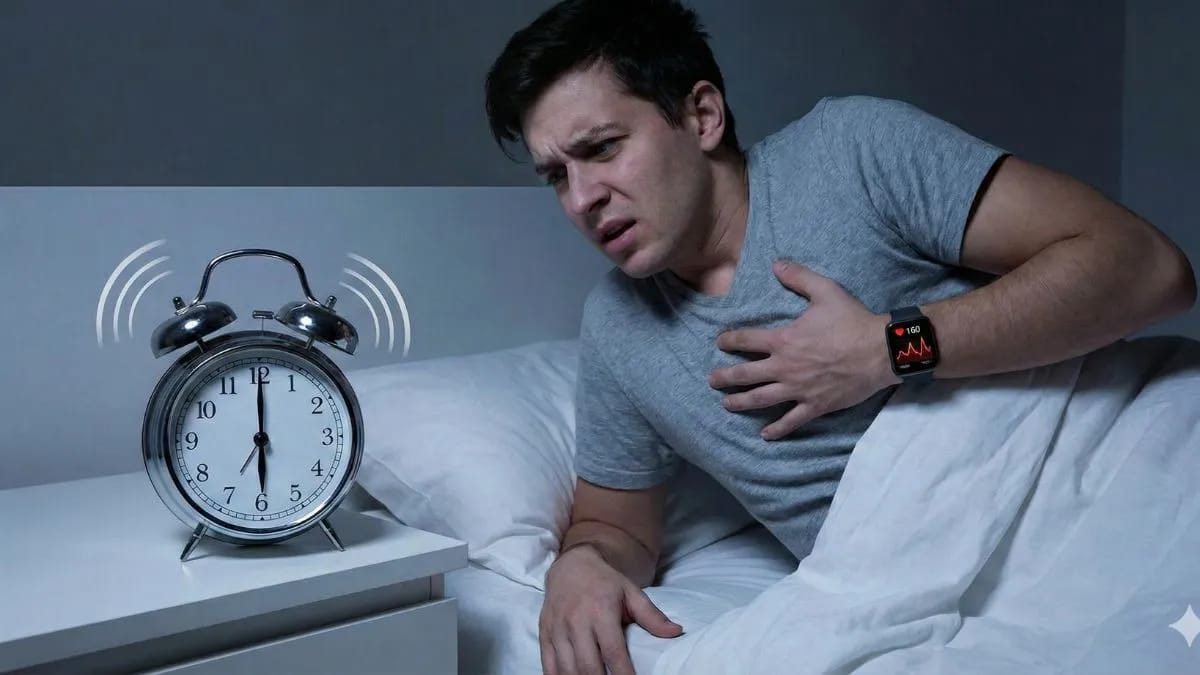
According to the Times of India, waking up to a loud alarm every morning is like a mini heart attack. Scientists say it’s not just annoying, but it activates your body’s ‘fight or flight’ response, like in an emergency. A study from the University of Virginia found that people forced awake by alarms had 74% higher blood pressure in the morning compared to those who woke up naturally. When a loud alarm forces you awake, it increases your heart rate, blood pressure, and stress hormones. Your brain is still in sleep mode, so you feel groggy, tired, confused, and irritable. It also makes it harder for your brain to work properly.
How To Wake Up With Light
The new study suggests waking up with soft light instead of a loud alarm. This means setting up lights that gradually get brighter in the morning. This method is called ‘dawn simulation.’ Dawn simulation is like an artificial sunrise. It controls the hormone cortisol in a way that’s less shocking to your body. Waking up with gentle light or soft sounds can reduce grogginess. When the sun rises, our brain recognizes the sunlight and wakes up. This is our body’s natural clock. So, when soft light gradually turns on, your brain thinks it’s the sunrise and wakes up more naturally. Studies show that dawn simulation changes your hormonal response and increases alertness without the stress caused by sudden sounds.
Tips For Waking Up With Light
Use a sunrise alarm or dawn simulator. These devices gradually increase light over 20-30 minutes, mimicking a natural sunrise. This reduces morning grogginess and sudden increases in stress hormones. If you need sound, choose gentle options like soft music or nature sounds. Avoid hitting the snooze button, as it disrupts your waking-up process and increases sleepiness. People who work shifts, have sleep disorders, or have other medical conditions may need different methods. You can adjust the light’s speed to be slower or gentler, depending on your needs.
Disclaimer
This content, including advice, is for general informational awareness purposes only. It does not substitute for qualified medical advice in any way. Always consult a healthcare professional or your doctor for more information.
Read Also:
- Alarm Clocks And Your Health: Why Waking Up To An Alarm May Be Bad For You
- Do You Also Wake Up To The Sound Of An Alarm? These 5 Things May Harm Your Health
- Do You Wake Up To The Sound Of An Alarm Every Morning? This Habit Is A Silent Killer. It Is Important To Avoid This Habit
- What Is The Best Time To Drink Tea? What Should Be The Temperature Of Tea? Know The Right Way To Make Tea
- Herbal Tea Vs Coffee: Is Drinking In The Morning Beneficial For Health
- Tea Or Coffee—What Should We Take? Which One Is Best
- Why Are 10-11-Year-Old Girls Experiencing Early Periods? Learn Easy Home Remedies And Preventive Measures
- Why Are Girls Starting Their Periods At A Younger Age? Parents Shouldn;t Ignore This
- Is It Normal For Girls Under 10 To Get Their Periods? Learn The Reasons
- Advantages And Disadvantages Of Taking Sunlight
- Not Only Sunlight, Skin Cancer Can Also Be Caused By These Reasons, These Are Their Symptoms
- 10 Interesting Facts About The Human Brain
- Unbelievable Facts About The Human Brain
- Some Interesting Facts About The Brain
- Symptoms, Causes, Treatment And Cure Of AIDS
- What Are HIV And AIDS, How Do They Spread, And How Can They Be Prevented
- Acquired Immunodeficiency Syndrome (AIDS)
- 21 Types Of Cancers That Pose A Threat To Life; Learn Where They Develop In The Body And How To Identify Them
- Here Are 9 Unheard Facts About Cancer That Not Everyone Is Aware Of
- How Does Cancer Develop? Know About The Common Symptoms, Causes, Treatments, Types, And Risk Factors To Detect Cancer
Leave a Reply