
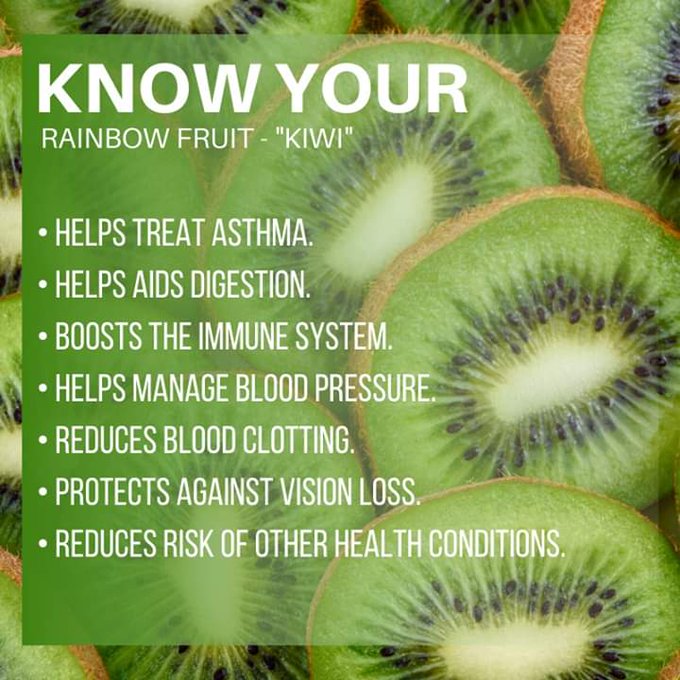


Kiwi fruit, also known as Chinese gooseberry, is a small, nutrient-rich fruit famous for its bright green meat and unique flavor. Kiwi, rich in vitamins C, K, and E, as well as dietary fiber, folate, and antioxidants, offers many health benefits.
Its powerful nutrient promotes immune function, aids digestion, improves skin health, and enhances heart health. Additionally, kiwi has low calories and high fiber, making it a great choice for weight management. Regular consumption of kiwi can contribute to overall health, making it a valuable addition.
Nutritional Value Of Kiwi
Kiwi fruit is a storehouse of nutrition, which, in its small size, is rich in essential vitamins, minerals, and antioxidants in sufficient quantities:
1. Vitamin: Kiwi fruit contains a lot of Vitamin C, even more than oranges. It also contains vitamin K, vitamin E, and folate.
2. Minerals: It is a good source of potassium, magnesium, and phosphorus, which is important for maintaining electrolyte balance, muscle function, and bone health.
3. Antioxidants: Kiwi fruit is rich in antioxidants like flavonoids and carotenoids, which help fight oxidative stress and inflammation in the body.
4. Fiber: A kiwi fruit contains an adequate amount of dietary fiber, which improves digestive health and gives a feeling of fullness.
Benefits Of Kiwi Fruit
The top 10 health benefits of kiwi fruit are as follows:
1. Promotes the immune system: The high vitamin C content present in kiwi fruit supports the health of the immune system, helps protect against infections, and aids in wound healing.
2. Promotion of cardiovascular health: The potassium present in kiwi fruit helps control blood pressure and maintain cardiovascular function, reducing the risk of heart disease.
3. Helpful in digestion: Kiwi fruit contains enzymes like actinidin, which help in breaking down proteins and improving digestion.
4. Promotes skin health: Antioxidants such as vitamins C and E in kiwi fruit protect the skin from oxidative damage, promote collagen synthesis, and help maintain young skin.
5. Increases vision: Kiwi fruit is rich in lutein and zeaxanthin, which are antioxidants that support eye health by protecting against age-related macular degeneration and improving vision.
6. Controls blood sugar levels: The fiber content present in kiwi fruit helps control blood sugar levels, making it beneficial for individuals suffering from diabetes or those wishing to manage their blood sugar levels.
7. Anti-inflammatory properties: Some compounds in kiwi fruit have anti-inflammatory effects, which reduce the symptoms of inflammation in the body and are helpful in reducing the symptoms of inflammatory conditions.
8. Helpful in weight management: Kiwi fruit is low in calories but high in fiber, making it a satisfying breakfast option, which can be helpful in weight loss or weight retention.
9. Boost bone health: The presence of vitamin K in kiwi fruit helps calcium absorption and contributes to maintaining strong bones and reducing the risk of osteoporosis.
10. Natural Detoxification: The fiber and antioxidants present in kiwi fruit support natural detoxification processes in the body and help remove toxins and waste products.
Use Of Kiwi Fruit In Dengue
Kiwi fruit can be beneficial for people recovering from dengue fever due to its rich nutritional properties. Here’s how it can help:
1. Increases immunity: Kiwi is rich in vitamin C, which strengthens immunity and helps the body fight infections.
2. Hydration: With high water content, kiwi fruit helps keep the body hydrated, which is essential during pregnancy. Dengue, especially if there is fever or vomiting.
3. Helpful in platelet production: Although more research is needed, some studies suggest that kiwi fruit may help maintain healthy platelet levels, which may be reduced during dengue.
4. Reduces inflammation: Kiwi has anti-inflammatory properties that can help reduce inflammation and discomfort. Dengue symptoms.
5. Easy to digest: Kiwi is light and easy to digest, making it a good choice for people who lose their appetite during illness.
6. Increases energy: The vitamins and minerals in kiwi help fight fatigue, helping patients regain their strength while recovering.
How To Include Kiwi In Your Diet
Adding kiwi to your diet can be both delicious and versatile. There are many ways to enjoy this nutrient-rich fruit as follows:
1. Fresh and simple:
- Peel and cut kiwi into pieces and eat it fresh as a snack.
- For quick and easy dishes, cut the kiwi in half and spoon the pulp.
2. Smoothies and juices:
- Include kiwi in your favorite smoothie recipe for freshness and nourishment.
- Make a green smoothie by mixing kiwi with other fruits such as bananas, strawberries, and spinach.
- Mix kiwi with water or other fruit juices for a delicious kiwi juice.
3. Salad:
- Cut the kiwi into small pieces and add them to the fruit salad to add color and flavor.
- kiwi can be eaten well in salads mixed with green vegetables, nuts, and other fruits.
4. Desserts:
- Pour kiwi slices over yogurt, ice cream, or frozen yogurt as a healthy dessert option.
- Include kiwi in fruit tarts, pavlova, and parfaits.
5. Breakfast:
- Add kiwi to your morning cereal, oatmeal, or yogurt bowl.
- Mix kiwi to your pancake or waffle batter for a fruity taste.
6. Salsa and sauce:
- Make kiwi salsa by mixing chopped kiwi with tomatoes, shallots, coriander, lemon juice, and a pinch of salt. Serve with grilled fish or chicken.
- Make a sweet and tangy kiwi sauce to sprinkle over dessert or salty dishes.
Are There Any Side Effects Of Eating Kiwi?
Although kiwi fruit is generally considered safe and nutritious for most people, there are a few things to keep in mind:
1. Allergic reactions: Some people may be allergic to kiwi, especially if they are allergic to latex, bananas, or avocados. Symptoms may include itching, swelling of the mouth or throat, and, in severe cases, anaphylaxis.
2. Oxalate content: Kiwis contain oxalates, which can cause kidney stones in sensitive individuals. If you have a history of kidney stones, you may need to limit your intake of high-oxalate foods like kiwi.
3. Digestive sensitivity: Actinidin, the enzyme in kiwi, may cause mild digestive discomfort or sensitivity in some people, especially if consumed in excess or on an empty stomach.
Conclusion
Kiwi fruit is a versatile and nutritious fruit that is included in a healthy diet. Rich in vitamins and antioxidants, it offers many health benefits, including immune support, heart health, and skin improvement. Apart from being just a delicious breakfast, kiwi can also help in recovery during diseases like dengue fever due to its rich nutritional properties.
However, it is important to consume kiwi in moderation and be aware of possible allergies or sensitivities. For most people, adding kiwi to a balanced diet can lead to better health and a more vibrant lifestyle. Enjoy the delicious flavors and health benefits of kiwi as part of your journey to optimal health.
FAQs
1. What nutrients are found in kiwi fruit?
Kiwi fruit is rich in vitamins C, K, and E as well as dietary fiber, folate, potassium, and antioxidants. It also contains a unique enzyme called actinidin, which aids in the digestion of proteins.
2. How does kiwi fruit boost the immune system?
Kiwi fruit is rich in vitamin C, which is important for maintaining a healthy immune system. It helps stimulate the production of white blood cells, which are essential to fight infections and diseases.
3. Can kiwi fruit improve digestion?
Yes, kiwi fruit contains dietary fiber and the enzyme actinidin, both of which aid digestion. Fiber helps regulate bowel movements, while actinidin helps break down proteins, making digestion more efficient.
4. Is kiwi good for heart health?
Due to the high amount of fiber, potassium, and antioxidants in kiwi, it is beneficial for heart health. These nutrients help lower blood pressure, lower cholesterol levels, and protect the heart from oxidative damage.
5. How does kiwi fruit benefit skin health?
The antioxidants and vitamin E in kiwi fruit help protect the skin from oxidative stress and premature aging. Vitamin C also plays a role in collagen production, which is essential for maintaining firm and youthful skin.
6. Can Kiwi Fruit Help Weight Management?
Yes, kiwi fruit is low in calories and high in fiber, which can help you feel full for a longer period of time. This makes it a great choice for those looking to lose or control weight.
7. Does kiwi fruit help sleep quality?
Kiwi fruit contains serotonin and antioxidants, which can improve sleep quality and duration. Eating kiwi before bedtime can help people who have difficulty falling asleep or staying asleep.
8. Is Kiwi safe for diabetics?
Kiwi has a low glycemic index, making it a suitable fruit for diabetics. It helps control blood sugar levels without any significant jump.
9. How does kiwi fruit benefit eye health?
Lutein and zeaxanthin are found in abundance in kiwi, two antioxidants that are important for eye health. These compounds help protect the eyes from oxidative damage and reduce the risk of age-related macular degeneration.
10. Can kiwi fruit reduce blood clotting?
Yes, kiwi fruit has been shown to reduce blood clotting by inhibiting platelet aggregation. This property can reduce the risk of stroke and heart attack by improving blood flow and preventing clots.
Disclaimer
This content, including advice, is for general informational awareness purposes only. It does not substitute for qualified medical advice in any way. Always consult a healthcare professional or your doctor for more information.
Read Also:
- 15 Unmatched Advantages And Disadvantages Of Kiwi Fruit
- Advantages, Uses And Disadvantages Of Kiwi Fruit
- Kiwi Fruit
- Benefits And Properties Of Eating Banana
- Benefits And Properties Of Eating Apple
- Benefits And Properties And Disadvantages Of Eating Mango
- Benefits And Properties And Disadvantages Of Eating Pomegranate
- Benefits Of Eating Black Grapes
- Benefits Of Honey, Ways Of Eating, And Use
- Honey Removes These 5 Diseases; If You Use It Like This, You Will Always Be Healthy
- Follow These 10 Easy Tips For Clean And Glowing Skin
- Advantages, Disadvantages, And Uses Of Honey
- Benefits And Disadvantages Of Drinking Milk Tea
- Benefits And Disadvantages Of Drinking Tea
- Some Advantages And Potential Harms Of Tea
- White Sesame Seeds For A Healthy Life—Know The 9 Effective Benefits Of Daily Consumption
- Interesting Facts About Coffee
- Nipah Virus Alert: Fear Of Deadly Nipah Virus In India
- History Of Tea
- Some Benefits Of Coffee
- Benefits Of Chamomile Tea: A Natural Remedy For Sleep And Stress
- Drink These 7 Natural Drinks Instead Of Coffee For Better Energy
- Bananas Containing Chemicals Are Being Sold In The Market; Definitely Know These Things Before Buying Them



Leave a Reply