


Between 2014 and 2024, India saw a politically turbulent decade under the Bharatiya Janata Party (BJP) led National Democratic Alliance (NDA) government. During this time, a number of major allegations and controversies emerged, many of which became the main issue of national debates about transparency, governance and accountability. The BJP, which came to power in 2014 under the leadership of Prime Minister Narendra Modi, promised a corruption-free administration after several scandal-filled rounds during the previous government. However, as the decade progressed, several allegations emerged involving financial irregularities, favoritism, policy manipulation, and lack of transparency. It is important to note that most of these cases are still allegations or still under investigation, and in a small number of cases there have been firm legal rulings.
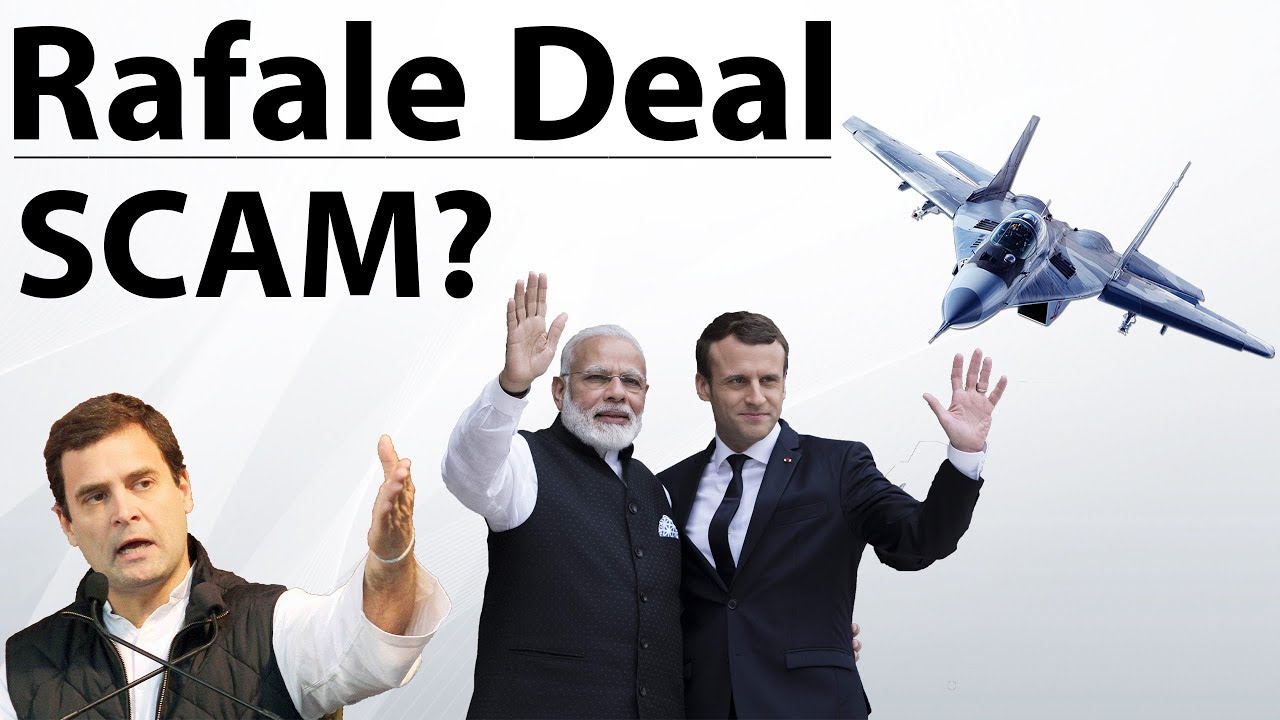
One of the most discussed controversies was the Rafale fighter jet deal, signed with France’s Dassault Aviation in 2016. Opposition parties claimed that the contract was overpriced for the 36 jet and that there were irregularities in the process during its approval, particularly questioning the choice of a private Indian company, Reliance Defence, as an offset partner. Although the government described the deal as transparent and necessary for national security, the controversy highlighted widespread concerns about transparency in defense procurement. Another key issue was the Electoral Bond Scheme, which was introduced in 2018. It was designed to improve political funding, but instead drew criticism for allowing anonymous donations, effectively masking the sources of large corporate contributions. Data later showed that the BJP received most of such funds, sparking debate about institutional bias and corporate influence in politics.
In addition, the PM CARES Fund, created in 2020 during the COVID-19 pandemic, faced allegations of limited accountability as it operated outside the scope of government audits and Right to Information (RTI) investigations. Other state-level cases in Madhya Pradesh like the Vyapam scam, Ayushman Bharat fraud and the Ayodhya land deal dispute further increased public suspicion. Overall, these cases highlight the challenges of ensuring transparency and ethical governance in modern India. Although not all allegations against the BJP-led government have been legally proven, they reflect the constant tension between promises of clean governance and the realities of political power in a democracy as vast as India.
1. Rafale Deal Controversy (2018–Released Now)
The Rafale deal controversy became one of India’s most debated defense procurement issues in the modern political era, drawing worldwide attention to transparency, price and bias in government-to-government arms deals. In 2016, the Indian government led by Prime Minister Narendra Modi signed an inter-governmental agreement with France for 36 Rafale fighter jets made by Dassault Aviation at a cost of about ₹59,000 crore (about $8.7 billion). The controversy began when the opposition, especially the Indian National Congress, alleged that the deal was deliberately changed to benefit a private Indian company, Reliance Defence, owned by Anil Ambani, which had no previous experience in defense manufacturing. Was. This was a reversal of previous negotiations under the previous UPA government, which had talked about purchasing 126 jets, of which 108 were to be built in-country by Hindustan Aeronautics Limited (HAL). Critics argued that the cost per unit of every jet increased significantly in the final contract, from about ₹526 crore to ₹1,670 crore, which they claimed was a sign of overpricing. Furthermore, he alleged that the Modi government ignored the standard negotiations of the Defense Procurement Procedure, removed the main approval stage, and hid details under the “secrecy clause”. At the international level, the defense analyst compared the Rafale deal to similar purchases made by other countries like Qatar and Egypt, noting that unit costs vary due to customization and weapon packages, but the price in India The difference was unusually high. France’s Dassault Aviation denied bias, insisting that it had freely chosen Reliance Defense as its offset partner under the Indian offset policy. In 2019, the Supreme Court of India dismissed all petitions seeking an investigation, ruling that no corruption was found. However, French investigative agencies later launched an investigation into possible bribery and use of influence related to the contract. This revived the issue at the international level, suggesting that although no wrongdoing has been proven in India, global anti-corruption watchdogs are still skeptical. Thus, despite being legally unresolved, the Rafale issue continues to influence public opinion on the transparency of India’s defense procurement process and the perceived closeness between big business and political power.
2. Electoral Bond Scandal (2018–2024)
The Electoral Bond controversy is a major issue of political funding, garnering international criticism for promoting opaque political donations and undermining democratic transparency. Launched by the BJP-led government in 2018, the scheme allowed individuals and companies to anonymously purchase bonds from the State Bank of India and donate them to political parties. While officially introduced as a reform to curb black money, it actually legalized secrecy in political funding. Opposition and civil rights groups described it as a “scam”, claiming that it institutionalized corruption by hiding the identities of donors and linking corporate donations to government favors. Reports revealed that between 2018 and 2024, the Bharatiya Janata Party (BJP) received more than ₹12,000 crore through this channel, which was much more than the donations received by all other parties combined. Internationally, experts compared it to political funding laws in developed democracies, noting that countries like the US, UK and Germany impose strict disclosure rules for donors, while India went in the opposite direction. Further controversy emerged in 2024 over data leaks that revealed that large corporate houses donating through bonds later received large government contracts or regulatory approvals, leading to suspicions of favors in exchange for transactions. Transparency International and the Global Anti-Corruption Consortium described the Indian system as legally a model of opacity, saying that the scheme eroded electoral fairness. In February 2024, the Supreme Court of India struck down the Electoral Bond Scheme, declaring it unconstitutional, saying it violates citizens’ right to information about political funding. By then, however, more than ₹16,000 crore had already gone into the parties’ accounts, mostly to the BJP. While no corruption was proven judicially directly, the incident tarnished India’s global democratic image, as the plan’s design resembled the political influence systems often criticized in dictatorial regimes. The decision was a historic reform, but there is still deep debate around the world over the damage to transparency and trust in India’s political funding system.
3. Vyapam Scam (Prior To 2014, Further Escalated After 2014)
Vyapam scam (whose full name is “professional exam mandal”) is one of the biggest exam and recruitment scams in India. The scam actually came to light in Madhya Pradesh in the early 2000s, but it continued during the tenure of the BJP government at the state and national level. The scam involved large-scale manipulation of medical entrance tests, government job recruitments and professional examinations. It is alleged that the candidates obtained admission or jobs by bribing officials, using fake people (“solver”) and manipulating documents.While it began during previous governments, its major revelations between 2013 and 2015 revealed a deep network of politicians, bureaucrats, and middlemen. More than 3,500 accused were identified, and it also received international attention due to the mysterious deaths of more than 40 people associated with the scandal. The dead included witnesses, accused and journalists. This led global human rights organizations to question India’s freedom of investigation, which was under political influence. When the BJP government was in power both in the state (led by Shivraj Singh Chouhan) and at the Centre, critics alleged that evidence was deliberately tampered with and hidden to protect big leaders. The case escalated so much that in 2015, the Supreme Court handed over the investigation to the Central Bureau of Investigation (CBI). Internationally, the Vyapam scam was considered a sign of systematic corruption in public recruitment and governance under the BJP leadership in Madhya Pradesh. Although many lower-level officials and agents were convicted, allegations remained that political masterminds remained untouched. Global media such as BBC and The Guardian reported on the scale of fraud and deaths, and compared it to exam-related corruption seen in other developing countries. To date, the Vyapam case remains a sobering symbol of how education and employment systems can be hijacked by corruption, and the lack of accountability in the political elite is undermining institutional credibility at both the state and national levels.
4. Accusations Against Adani Group (2023)
The allegations against Adani Group are one of the biggest corporate-political controversies in modern India, which has attracted international attention due to its impact on market integrity, corporate governance and political bias. In January 2023, US-based Hindenburg Research published a detailed report accusing Adani Group of using stock manipulation, accounting fraud and shell companies in tax havens for decades. The report alleged that the group inflated stock prices and hid loans through offshore companies controlled by Adani family associates. This led to an unprecedented loss of $150 billion in market value in just a few days. Its global importance was due to Gautam Adani’s alleged closeness to Prime Minister Narendra Modi, as both are from Gujarat and Adani’s rise coincided with Modi’s political rise. Critics, including opposition leaders and the Global Observer, claimed that the relationship exemplified “crony capitalism”, where corporate empires thrive under political patronage. International investors like Norway’s sovereign wealth fund and major western banks reduced their investments in Adani shares after these revelations. Additional controversies emerged in 2021 over large quantities of drugs seized at ports managed by Adani, casting doubt on regulatory laxity. Although there was no direct legal link between the BJP government and Adani’s alleged misconduct, the controversy damaged India’s financial reputation, with international media such as The Economist, Financial Times and The Washington Post questioning India’s regulatory transparency. The Supreme Court of India directed the Securities and Exchange Board of India (SEBI) to conduct the investigation, but critics alleged that the investigation lacked speed. Global watchdogs such as the International Consortium of Investigative Journalists (ICIJ) found links between Adani’s offshore networks and the tax evasion methods common in global corruption cases. Although the government defended Adani, calling him a “victim of foreign intrigue”, the incident remains a major test of India’s corporate accountability framework. The global dimension of this scandal made it a reference case to analyze how political closeness in emerging markets can impair financial governance.
5. PM Cares Fund Controversy (2020–Released Now)
The Prime Minister’s Civil Assistance and Emergency Situations Relief Fund (PM CARES Fund) was launched in March 2020 to mobilize resources for COVID-19 relief. However, it was soon embroiled in controversy due to a lack of transparency, raising concerns both at home and abroad. According to the report, this fund accumulated more than ₹10,000 crore in just a few months, with contributions from corporates, foreign donors and citizens. Allegations arose that it acted like a quasi-governmental institution, but avoided accountability under the statutory Audit and Right to Information (RTI) Act. Critics questioned why the existing public fund – the Prime Minister’s National Relief Fund (PMNRF) – was not used. Global transparency organizations said that while most democratic countries exercise public oversight over emergency relief funds, India’s PM CARES operates as a private trust, headed by the Prime Minister and run by top government officials. In addition, there were allegations that public sector undertakings (PSUs) and government employees were pressured to donate. Independent analysts pointed to inconsistencies in spending disclosures, as a large portion of the funds were allocated in opaque purchases of medical equipment and ventilators. The controversy deepened when several Indian embassies abroad allegedly solicited foreign donations, indicating a quasi-governmental status, contrary to the government’s claim of a “private trust”. International media, including Reuters and The Guardian, described the fund as a symbol of centralized control and low transparency during the crisis. The government said the fund is audited by independent chartered accountants and is used only for public welfare. Nevertheless, the monitors argued that waivers from CAG audits and refusal to disclose donors had undermined credibility. Despite several petitions, the Supreme Court of India upheld the validity of the fund and refused to order greater transparency. The PM CARES controversy continues to raise international ethical questions about the accountability of disaster funds, especially in democracies where the political leadership directly controls the distribution of resources without independent oversight.
6. Ayushman Bharat Fraud (2018–2024)
Ayushman Bharat – Pradhan Mantri Jan Arogya Yojana (PM-JAY), launched in 2018 as the world’s largest government-funded health insurance scheme, aimed to provide free medical coverage of up to ₹5 lakh per family every year to over 50 crore citizens. Although the scheme was praised worldwide for its ambition, it was soon beset by corruption and administrative irregularities, leading to weaknesses in healthcare governance in India under the BJP government. Investigation and audit revealed that fake claims worth more than ₹1,000 crore were made through Ghost hospitals, fake patient IDs and inflated billing. In BJP-ruled states like Gujarat, Uttar Pradesh, Madhya Pradesh and Haryana, reports revealed thousands of “non-existent” beneficiaries who had allegedly undergone expensive surgeries and treatments. The National Health Authority itself acknowledged that many hospitals had claimed reimbursement for treating dead people or performing procedures that had never occurred. International observers compared these scandals to similar health insurance scandals in Africa and Latin America, where system deficiencies allowed private entities to appropriate government funds meant for the poor. Advocates of transparency argued that the Ayushman Bharat scheme lacked strong digital verification and third-party audit, allowing local administrators and private hospitals to take advantage of the system. Global media raised the question as to how this program, started with the aim of showcasing India’s welfare model, became a den of profit-making wrongdoings. Critics claimed that the government was paying more attention to publicity rather than accountability, showing that the fraud continued despite repeated warnings. Although some arrests were made and some hospitals were blacklisted, the overall problem revealed a bitter truth – that political branding of welfare schemes could hide operational corruption that undermines public trust and healthcare equity at both the national and international levels. Does. Experts from the World Health Organization and Transparency International described Ayushman Bharat as a case where large-scale welfare programs failed due to inadequate testing and poor governance culture. Although the BJP government said reform methods have been implemented, the scale of the fraud revealed an uncomfortable truth – that political branding of welfare schemes could hide operational corruption that erodes public trust and healthcare equity at both the national and international levels. Undermines at.
7. Misuse Of PMAY Funds (2015–2024)
Pradhan Mantri Awas Yojana (PMAY), launched in 2015 with the slogan “Housing for All”, aimed to provide affordable houses to millions of urban and rural poor by 2022. However, with time, the scheme got embroiled in allegations of misuse of funds, incomplete construction projects and inflated list of beneficiaries. Reports from the Comptroller and Auditor General (CAG) and Independent Analysts found that large sums of money allocated for homes were either unused or misused. In several BJP-ruled states, such as Uttar Pradesh, Gujarat and Madhya Pradesh, funds meant for low-income families were allegedly diverted to politically connected contractors. Thousands of houses remained incomplete, yet full payment was released. Critics described PMAY as a plan where political pretensions outweighed real delivery. Comparing it to similar programs in Brazil and Indonesia, the International Observers said its implementation in India was influenced by institutional inefficiency and corruption at many levels. CAG audits revealed bogus beneficiaries, increased costs and weak verification systems, indicating negligence and possible collusion between local authorities. The opposition accused the BJP government of using PMAY as a propaganda tool ahead of the elections, promising millions of homes but failing to ensure transparent use of funds. In addition, NGOs involved in housing advocacy reported that Global Housing Standards emphasized participatory planning and social auditing – systems that were largely missing in the functioning of PMAY. Despite claims of building millions of houses, field investigations often showed poor or uninhabitable structures. The irregularities were further cleared when Independent Studies showed that more than 20% of PMAY homes were lying vacant due to poor construction and corruption in beneficiary selection. The government denied widespread fraud, saying the delays were caused by bureaucratic hurdles, but persistent mismanagement pointed to governance flaws in the system. At the international level, the PMAY controversy serves as a cautionary tale of how big welfare schemes, when caught up in political motive and weak oversight, become a vehicle for financial irregularity and public frustration with the means of social upliftment.
8. Srijan Scam (2017)
The 2017 Srijan scam is one of the most shocking cases of embezzlement of government funds in Bihar. At that time there was a coalition government of BJP and JD(U) in Bihar. The scam revolved around an NGO named Srijan Mahila Vikas Sahayog Samiti, which was actually created to promote women’s empowerment and self-help initiatives. Over time, it became a means of massive financial fraud, embezzling about ₹1,000 crore from government accounts for the Welfare and Development Programme. It is alleged that the NGO falsified bank documents and transferred funds from government coffers in Bhagalpur and other districts to its private accounts. What made this matter politically explosive was that there was an alliance of BJP in the state government, due to which allegations started being made that this scam happened under its supervision and the culprits were quietly rescued. International Governance Experts compared the creation scandal to NGO-based large corruption scandals in Africa and Eastern Europe, where politically engaged organizations misappropriated government resources under the guise of social service. Later, Indian investigative agencies, including the CBI, found that several district officials and bank employees, along with the NGO, had falsified government records. Despite the arrest of lower-level employees, no large political figures were held responsible, leading to speculation that political influence saved the core people. The scandal not only embarrassed the BJP-JD(U) government, but also raised international concerns about the decentralised welfare model’s vulnerability to corruption. Transparency organizations offered the creation scandal as an example of how the abuse of NGOs, often shown as instruments of social good, can erode trust in public administration. Although the BJP denied direct involvement, the scandal that occurred during the rule of the coalition it supported took a toll on its governance record. Globally, it proved again that without independent audits and close monitoring, NGOs involved in welfare can easily become a means of siphoning off government money held for the most vulnerable.
9. Karnataka COVID-19 PPE Scam (2020)
During the COVID-19 pandemic, the BJP-ruled Karnataka state faced serious allegations of corruption in the procurement of medical equipment, especially PPE kits, ventilators and sanitizers. The allegations came to light in 2020 after opposition parties and whistleblowers claimed that the state health department had increased the cost of the purchase by several crores of rupees, and that the contracts were allegedly awarded to companies with political connections rather than companies with medical credentials. Reports reported that some suppliers sold PPE kits to the state government at prices 200% higher than the market rate. This caught the attention of public health experts, who compared Karnataka’s increased costs to procurement standards in countries like South Korea and Singapore, which maintained transparent tendering even during the Emergency. The controversy was exacerbated by irregularities in the distribution of ventilators, where hospitals found substandard or defective machines. Civil society groups accused the administration of taking advantage of the health crisis for profit, while healthcare workers were struggling with shortages of essentials. International human rights organizations later described corruption during the pandemic in India as part of a larger global pattern, where emergency funds were misused in the name of urgency. In the case of Karnataka, the opposition demanded a judicial inquiry, accusing senior BJP ministers and bureaucrats of being involved in over-invoicing and kickbacks. Although the government rejected these allegations as politically motivated, evidence of increased billing and unverified vendors remained. Analysts said such purchase scams not only waste taxpayers’ money but also put their lives at risk as misuse of funds undermines healthcare preparedness during a deadly pandemic. Although an investigation has been initiated, no conclusive judicial decision has been taken, creating a perception of selective accountability. At the international level, the Karnataka PPE scandal symbolizes that corruption in crisis management can have both moral and humanitarian disadvantages, especially when the political leadership prefers control over transparency in emergency spending.
10. Ayodhya Land Scam (2024)
The 2024 Ayodhya land scam came to light after the Supreme Court’s 2019 ruling that cleared the way for the construction of the Ram temple – a project that is deeply linked to the ideology of the BJP. After the verdict, there was a tremendous surge in land transactions in and around Ayodhya. Reports revealed that politicians, bureaucrats and their relatives – many of whom were associated with BJP – had bought large parcels of land at very low prices before prices rose. The data showed that property transactions in Ayodhya increased by about 30%, leading to suspicion of profiting from inside information and speculation. Several journalistic investigations, including The Indian Express, revealed a number of cases where land purchased for public or religious purposes was sold to people with political influence. This pattern was seen internationally as an example of political real estate speculation, similar to the scandals that occur in developing countries, where religious or cultural redevelopment projects are used to hide financial gains. Critics accused BJP of promoting “religious capitalism”, where sacred projects were used for profits. Several municipal officials were found to have approved irregular land transfers, and insiders alleged that information on upcoming development plans was leaked to benefit some investors. International analysts said the controversy spoiled a religious event that should have brought unity, and made it an example of how political power could distort moral governance. The BJP government denied any wrongdoing, and stated that all land deals were legally valid. However, the lack of independent audit and the close relationship of many transactions to government officials raises serious doubts. The Ayodhya land scam is still in the public eye, and has been described globally as a cautionary example of how political parties can use nationalist and religious stories to hide economic favoritism and profiteering from property in the name of cultural restoration. Can do for.
11. Freedom 251 Scam (2016)
The Freedom 251 scam was discredited as one of the biggest consumer and political hoaxes worldwide, being indirectly linked to the “Make in India” campaign launched by the BJP government. In 2016, a company named Ringing Bells Pty Ltd announced that it would sell the smartphone for ₹251 (about $4), describing it as the cheapest smartphone in the world. The company’s founder, Mohit Goyal, claimed that the initiative was inspired by Prime Minister Narendra Modi’s vision of digital empowerment and self-reliant manufacturing. The announcement went viral worldwide, and was initially hailed as a technological revolution from India. However, as pre-orders began to arrive, it soon became clear that the business model was not sustainable. The company deposited lakhs of rupees in advance payment but failed to deliver most of the phones. The investigation revealed that the phones shown during the launch were actually rebranded devices of another manufacturer, Adcom, whose logos were hidden. Furthermore, the company lacked the manufacturing facility and funding source to manufacture smartphones at that price. Critics accused BJP of indirectly promoting the scheme as part of its digital propaganda, as several ministers had initially publicly supported the project. The scam was mocked at the international level, and technology experts described it as a “political ploy” to take advantage of the expectations of India’s poor. The Economic Offenses Wing and other authorities later accused the company and its promoters of fraud and fraud. Despite this, the incident highlighted some deep problems – misuse of government slogans like “Make in India” for private gain, and lack of due diligence in government endorsements. Worldwide, the Freedom 251 Scandal was cited in the Study of Business Ethics as an example of how Popular Industrial talk, when combined with weak regulation, can lead to massive consumer deception. While no direct involvement of the BJP government was proven, its political engagement and early encouragement made the scandal a symbolic failure under the administration’s supervision and a symbol of the dangers of Popular Economic branding.
Notes:
Scope: The scope of this list is limited to major corruption allegations, controversies and governance scandals that surfaced, escalated or continued during the Bharatiya Janata Party (BJP) led National Democratic Alliance (NDA) government from 2014 to 2024. However, some of the reported cases – such as the Vyapam scam in Madhya Pradesh or the Belekeri Iron Ore Export scam in Karnataka – started before 2014, but their investigation, disclosure or alleged attempts to hide them came into more discussion during BJP’s rule. This inclusion helps to understand the persistence of corruption even after electoral changes, revealing how problems associated with certain systems persisted despite political change. Its purpose is not just to document the allegations, but also to explain how governance practices, regulatory oversight and institutional independence worked during the ten-year tenure of the BJP. By focusing on both the central and state level BJP governments, the scope gives a broad overview of how corruption stories developed, what impact political patronage had, and how public trust was impacted by these repeated controversies.
Evidence: Many of the cases listed are still allegations, as judicial processes in India often last for years and rarely reach a conclusion quickly. In many cases, investigations have either remained incomplete or are ongoing, leaving room for political interpretations. BJP has consistently maintained that most of these allegations are politically motivated, aimed at defaming its governance and leadership. However, investigative journalism, audits by the Controller and Auditor General (CAG), and reports from global watchdogs such as Transparency International have pointed to irregularities and administrative shortcomings. Some controversies, such as the electoral bond scheme and the PM CARES Fund, have attracted constitutional scrutiny rather than direct corruption allegations, showing the blurred line between legality and ethics in governance. The existence of partial evidence, whistleblower statements, and international concern underscores that while not all allegations have been judicially proven, the patterns of opacity and favoritism observed during this period need public attention.
Context: India’s political environment has long been hard-fought, where allegations of corruption have become a common part of electoral and ideological battles. Despite BJP promising “clean governance” and “zero tolerance towards corruption”, it has faced the same kind of scrutiny as previous governments, especially the Congress-led UPA government. Many of these allegations gain traction at election time, when opposition parties and media outlets exaggerate matters to question credibility. However, the persistence of these allegations during different governments points to shortcomings in the system rather than just party corruption. Around the world, India’s democratic institutions are considered strong but weak in political influence over investigative agencies. Therefore, the context of these scandals should be understood within the broader scope of the challenges of accountability in the system, the politicization of corruption stories, and the balance between governance performance and moral responsibility in the world’s largest democracy.
Read Also:
- The Big Financial Controversies Of BJP Time: An Investigation Of Alleged Scams And Allegations
- Powerful And Respected Politicians Of The Current BJP Government
- Indian Law To Prevent Financial Fraud In India
- How To Avoid Financial Fraud, Online Fraud, Credit Card Fraud, What To Do If You Become A Victim
- How To Protect Yourself From Financial Fraud
- What Is Financial Fraud: Know Its Causes And Prevention Methods
- The Long Journey Of India Congress Party: The Story Of Power, Partition And Change
- Has Pm Modi Been Tagged Vote Thief
- Rahul Gandhi Atom Bomb Allegations: Is India Election System In Danger